Latest News

ECMPS 2.0 Migration Begins February 13: 5 Things You Must Do Before Reporting Starts in Q1 2026

On January 29th, 2026, EPA’s Clean Air and Power Division (CAPD) provided a status update on the ECMPS 2.0 re-engineering effort. The blog post can be found here. Also on February 3, 2026, EPA posted an update on how to prepare for the ECMPS 2.0 production release. That post can be found here.

The countdown to JSON reporting using the new ECMPS 2.0 web-based Client Tool has officially begun!! Q1 2026 is the official start date for ECMPS 2.0 reporting, with reports due no later than April 30, 2026.

A few things we’d like to highlight as you prepare for the upcoming reporting obligation:

  1. Evaluate the impacts of the migration
  2. Update data acquisition and handling system (DAHS) to a “JSON capable” release
  3. Confirm Initial Authorizer (IA) has received and executed the Emissions and Allowance System for Energy  (EASEY) program in the Central Data Exchange (CDX)
  4. Assign necessary agents
  5. Identify a Low Mass Emission (LME) unit reporting solution

1. Impact from the ECMPS 1.0 -> 2.0 migration

EPA expects the migration to take place on February 13th, at 5:00 PM ET and last approximately 3 weeks. During this time, no reporting software will be available.

A few things to keep in mind:

  • For those affected, the 2025-Q4 MATS quarterly compliance report deadline is March 2, 2026. EPA doesn’t expect the ECMPS 2.0 platform to be on-line until March 9that the earliest, facilities MUST get these reports submitted before February 13th!  Please keep that in mind when preparing these reports.
  • Users will no longer be able to synchronize with the EPA host from the ECMPS 1.0 Client Tool after February 13th. If there is anything you need to load or populate from EPA database, you should plan to do it prior to the migration. While the Client Tool will be functional on your PC, it will no longer be able to connect to any EPA system.
  • The Field Audit Checklist Tool (FACT) database will also no longer be supported or populated with new data. Like the ECMPS 1.0 Client Tool, we expect it to remain functional in limited capacity, but it will no longer receive data from ECMPS 1.0. Any future queries should be made through the Clean Air Markets Program Data (CAMPD) website at https://campd.epa.gov/.
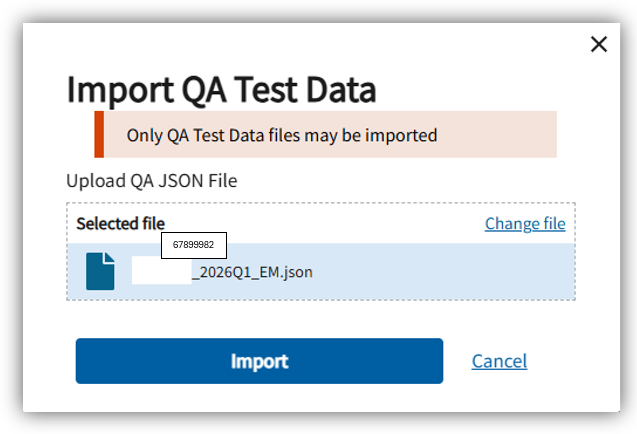
  • Any resubmissions (MP, QA, or EM) not completed prior to the migration will need to be completed in the web-based ECMPS 2.0 Client Tool using JSON formatted files. Please make sure you have the capability to produce files in this format for any resubmissions going forward.

2. DAHS Readiness

One of the most important considerations, if not the most important, is to confirm that your DAHS can generate a JSON formatted file. Please consult with your DAHS vendor to ensure you are running a release capable of producing these reports.

For VIM Technologies CEMLink6 users, that means running a CEMLink6 v6.2.620.x or greater.  If you have identified that you are running a version lower than this, please reach out immediately to our support group at support@vimtechnologies.com for assistance. We do not expect EPA to modify JSON schemas before the Q1 2026 reporting period, but we will continue to monitor things once the migration is complete and the ECMPS 2.0 interface is back on-line.

3. CDX, ORG ID, and EASEY

We’ve scheduled and performed ECMPS 2.0 readiness training for over 200 different companies, over a 3-week timeframe, as part of our ECMPS 2.0 outreach. We hope you were able to attend one of those sessions and truly hope that it was able to give you direction on how to get your IA set up in CDX with the EASEY Program, an ORG ID assigned and be ready for the sponsorship process once EPA gives us the green light. Part 2 of the training series will take place once the migration is complete and will be dedicated to the ECMPS 2.0 user interface.

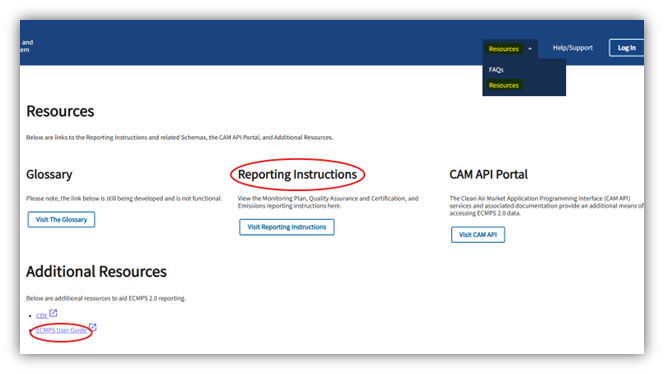
EPA created a CDX registration guide that will walk the IA through setting up their account in CDX. To get a copy of the guide click here. There is a wealth of information in this guide, and we recommend anyone impacted by ECMPS 2.0 to read it completely.

We are currently in what EPA calls “Phase 1” which is the bulk pre-registration of IAs. If your Designated Representative (DR) has not received the registration emails referenced in the guide, please contact cbs-support@camdsupport.com with the subject line “CDX Initial Registration.”  Do not email the CDX Help Desk for initial registration or sponsorship questions. The ONLY way to access EMPCS 2.0 once we go production, is for the DR, or their delegates, to begin the process using the unique link provided in the E-mail.

While some of us have prematurely started on Phase 2, EPA has since requested everyone to hold off until all IAs have been set up properly in the EASEY program with the correct ORG ID. This will prevent any re-work later if ORG IDs need to be cleaned up.

4. Assign Agents

Unfortunately, one area where EPA is not budging on, is regarding Contractor Access. This is a topic we have been very vocal about to both EPA and industry for the last 4 years. This is a feature that’s available in CAMD Business System (CBS) and the current stand-alone ECMPS 1.0 Client Tool and one that the vendors (DAHS vendors, Consultants and Stack testers) rely on to access key information. Without an equivalent feature in ECMPS 2.0, industry will be forced to add a significant number of CDX preparer roles and CBS retrieve agents in the new platforms.

VIM will be sending out under separate E-mail a list of VIM employees who are active users in CDX/CBS that we would request to be added as preparer / retrieve agents. This is required to support your systems going forward. Without this access, we will not be able to troubleshoot or assist in any JSON reporting issues you encounter in the new ECMPS 2.0 web-based tool.  If you have a VIM COMPAS contract and rely on VIM to submit your quarterly electronic data reports (EDR), then you will need to assign a Submitter role for your COMPAS contact in CDX and CBS.

5. LME Solution

For LME method sources, ECMPS 2.0 will no longer be capable of producing your JSON formatted quarterly emissions file. This feature is being discontinued by EPA and industry users who currently rely on the ECMPS 1.0 Client Tool to produce these files will need to find an alternative.

In 2023, VIM developed an LME EDR tool for ECMPS 2.0 for the industry to use. It is an advanced web-based utility tool that provides an efficient and cost-effective solution for creating Part 75 LME XML & JSON formatted EDR to import into both ECMPS 1.0 and ECMPS 2.0. If you’d like more information on the tool or would like to take it for a test run, please visit https://lmeedr.com/login or contact our sales group at sales@vimtechnologies.com to set up a live demonstration.

VIM Technologies will continue to stay abreast of the ECMPS 2.0 developments and update this blog as relevant information becomes available.

Please contact our COMPAS group at compas@vimtechnologies.com for more information concerning the ECMPS 2.0 implementation or any other questions you may have regarding the migration.

VIM at 2025 Compliance Services Conference

Recap: VIM Technologies at the 2025 Compliance Services Conference Vendor Fair

November 3–6, 2025 | Tucson, Arizona

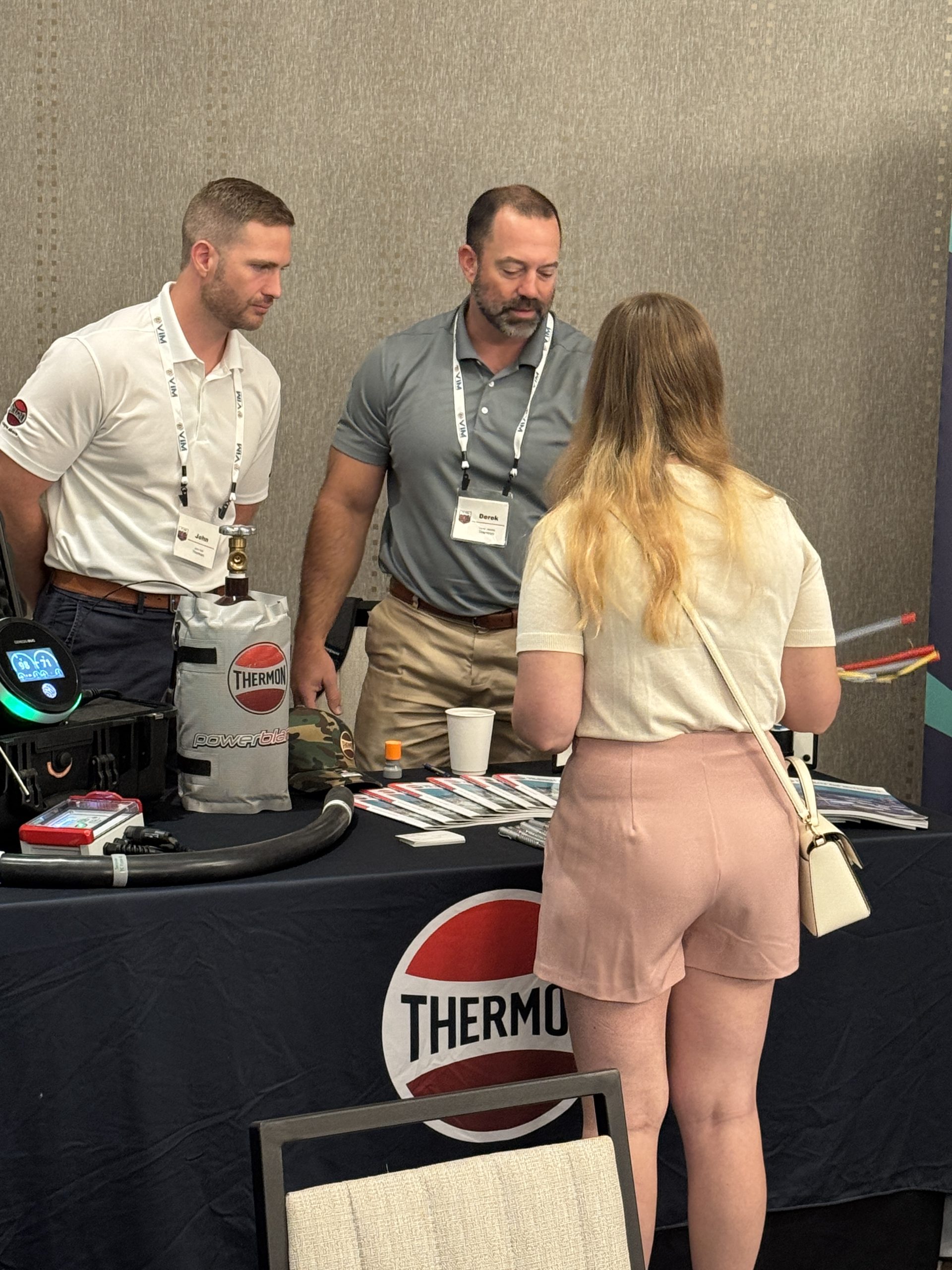
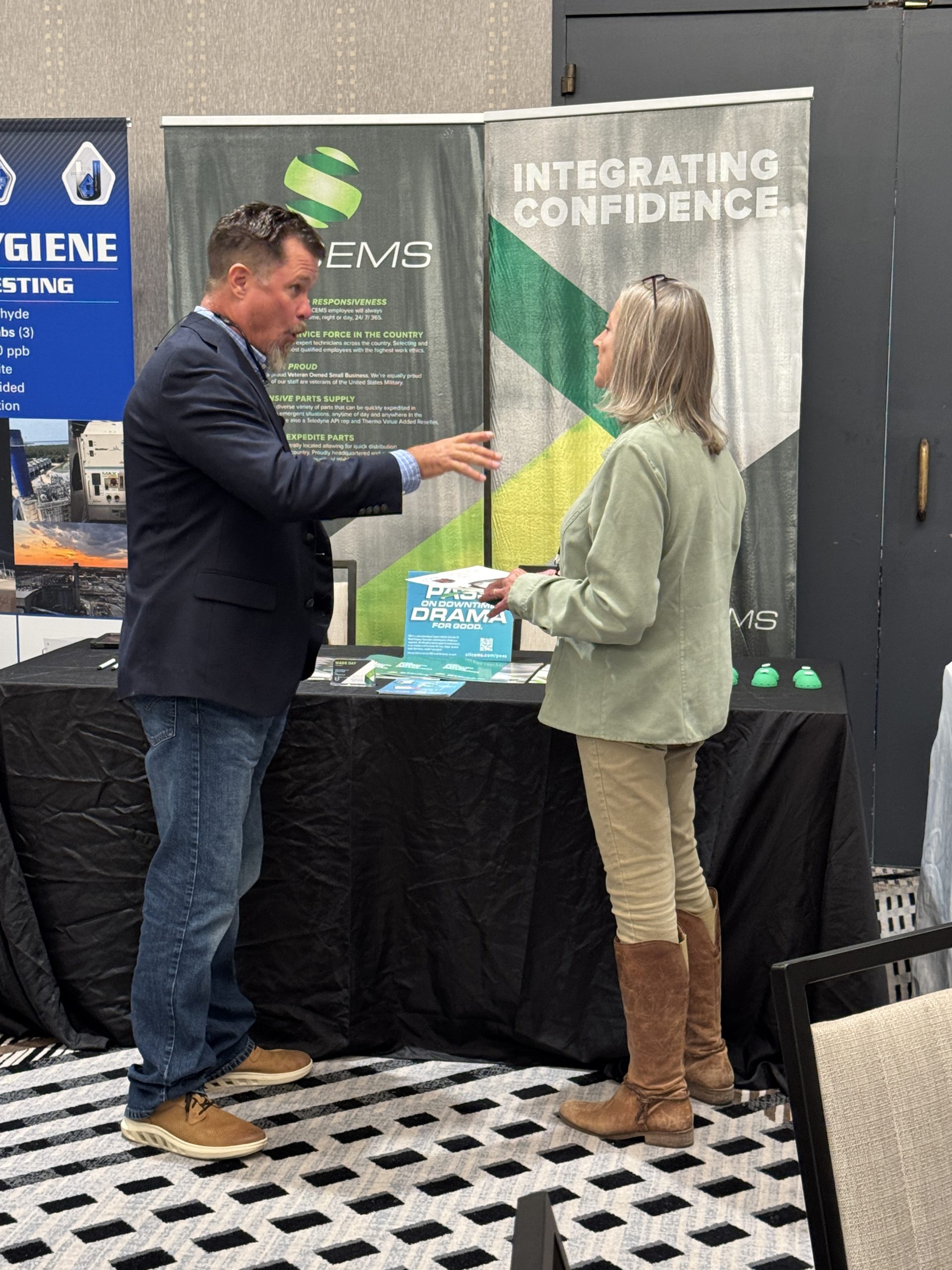
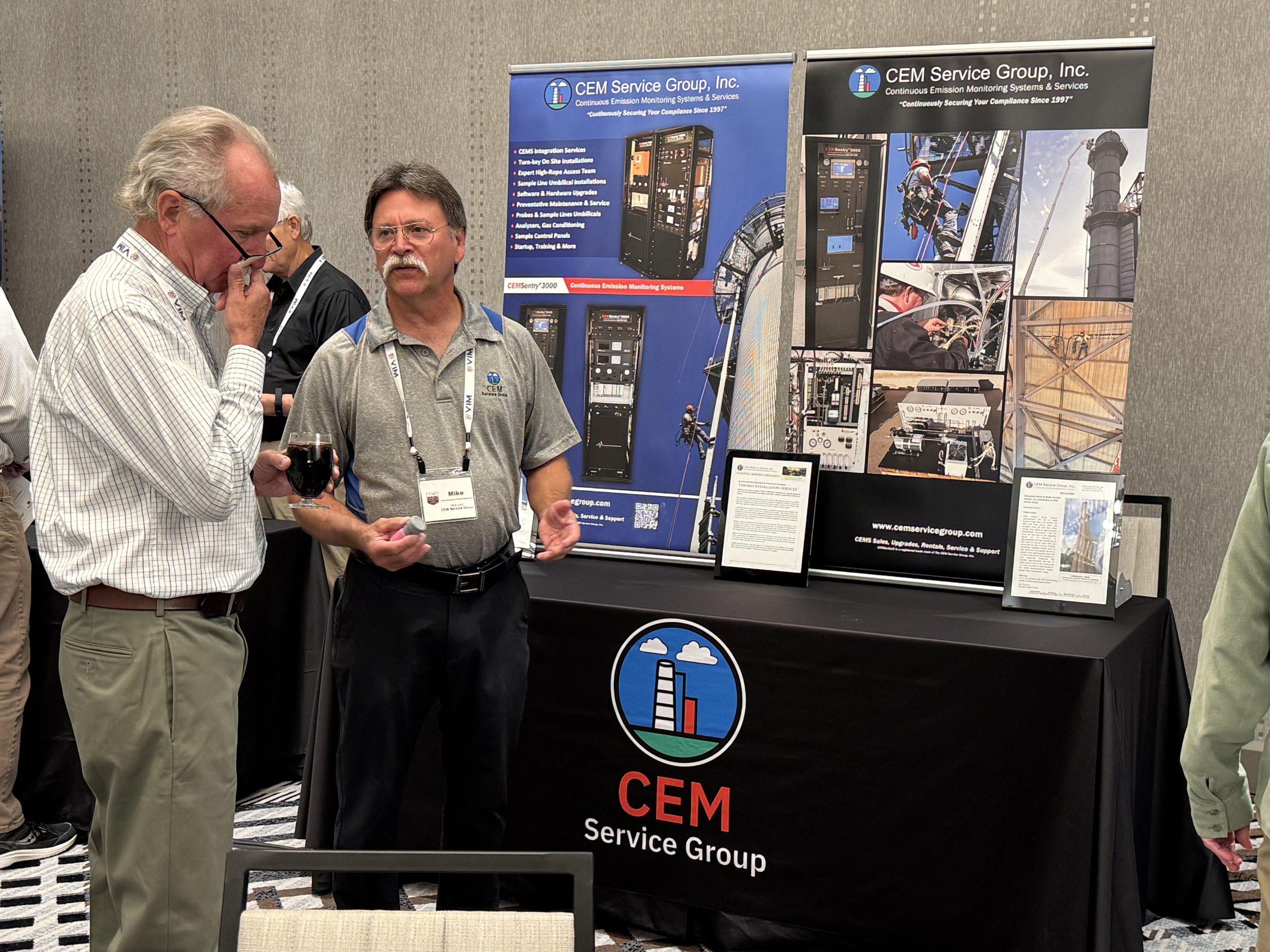
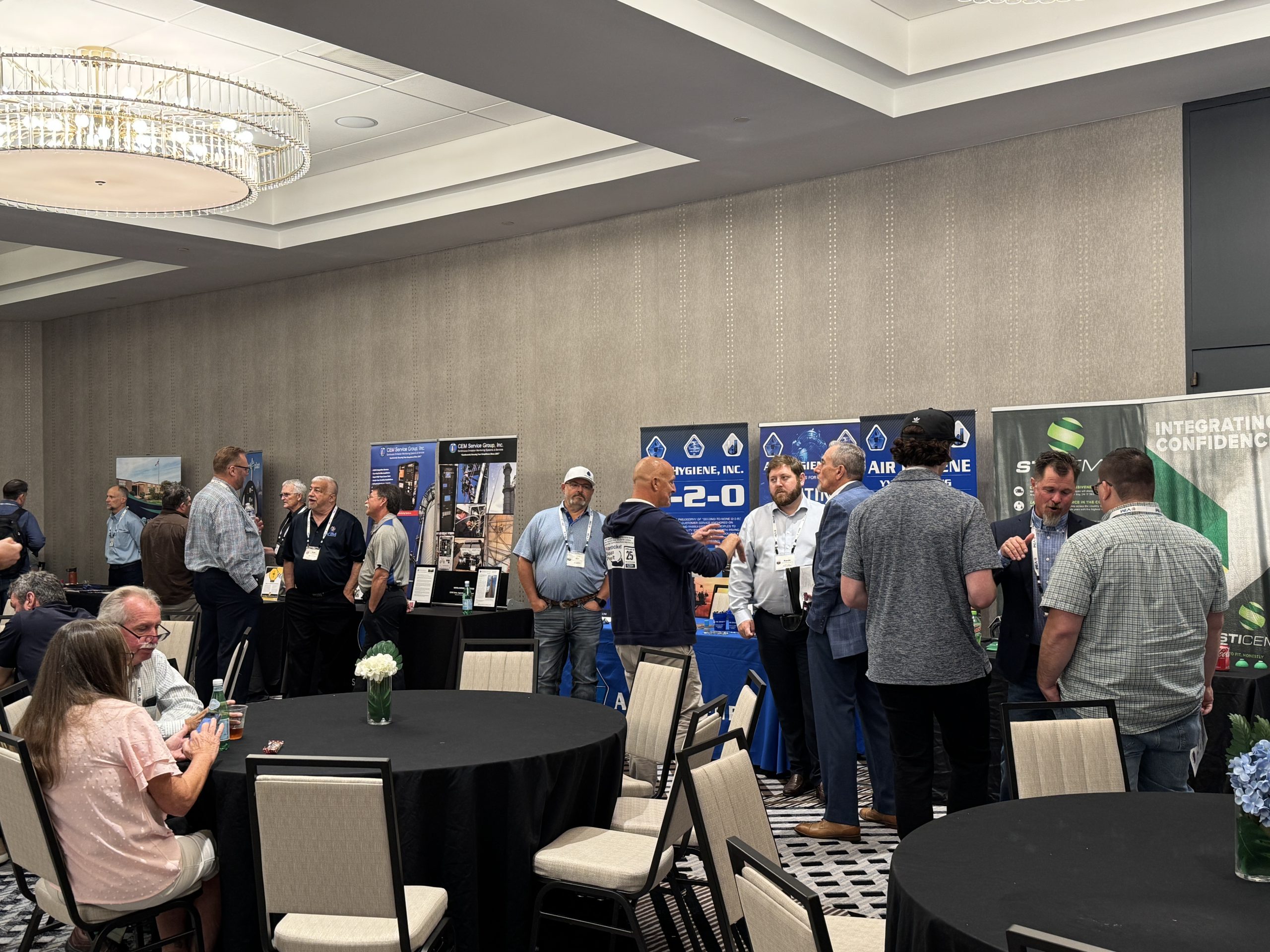
The 2025 Compliance Services Conference Vendor Fair at the Westin La Paloma Resort brought together environmental and regulatory compliance professionals from across the country—and VIM Technologies was proud to be part of this premier event.

As both an exhibitor and featured speaker, VIM showcased innovative compliance solutions and engaged in meaningful conversations about the future of environmental and NERC compliance.

Highlights from VIM Technologies

Expert Insights from Rudi Muenster

Our very own Rudi Muenster delivered two sessions that sparked valuable discussions:

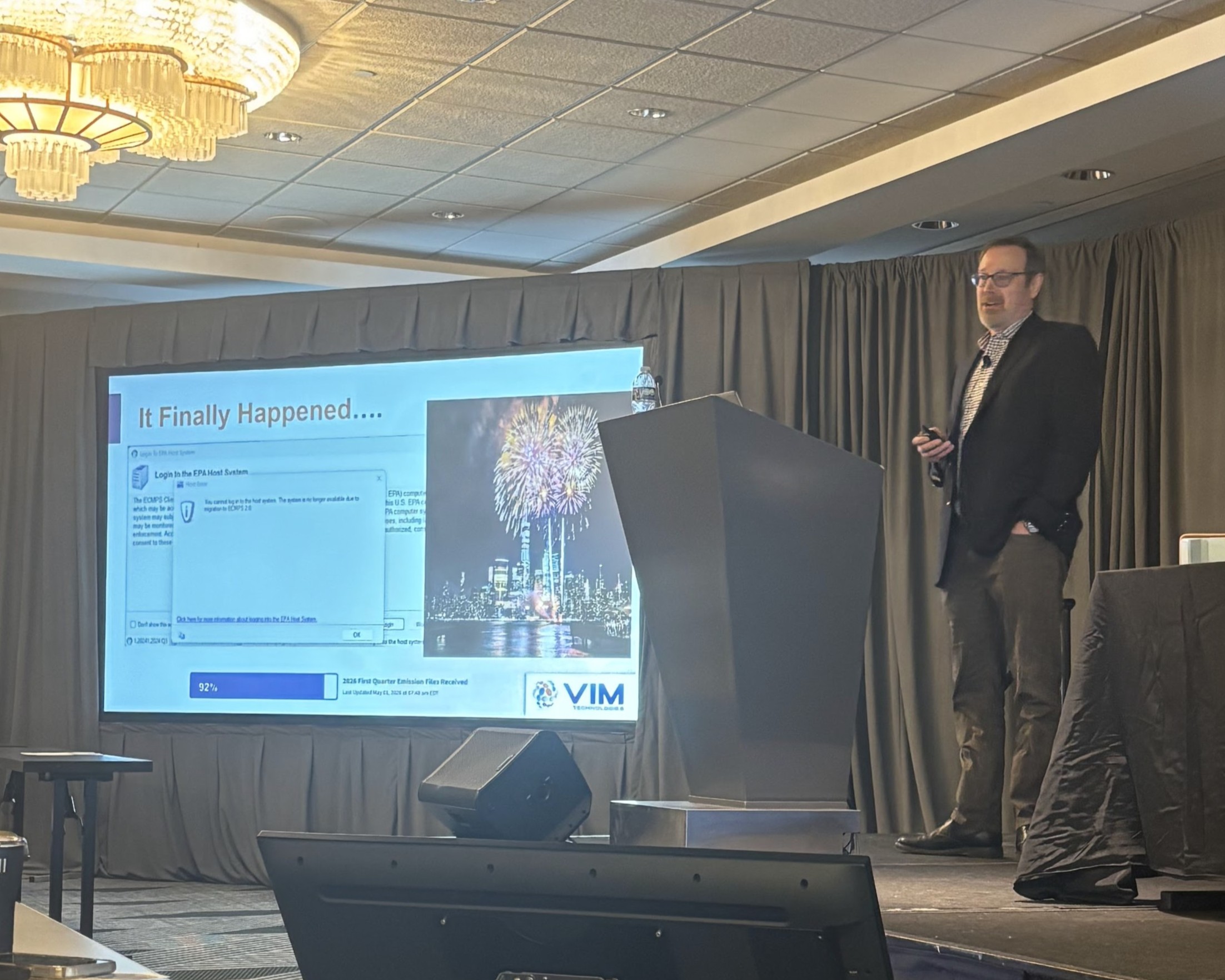
  • Emissions Collection and Monitoring Plan System (ECMPS) 2.0 Update
    Rudi shared the latest developments in ECMPS 2.0, helping attendees understand what these changes mean for emissions monitoring and reporting strategies.
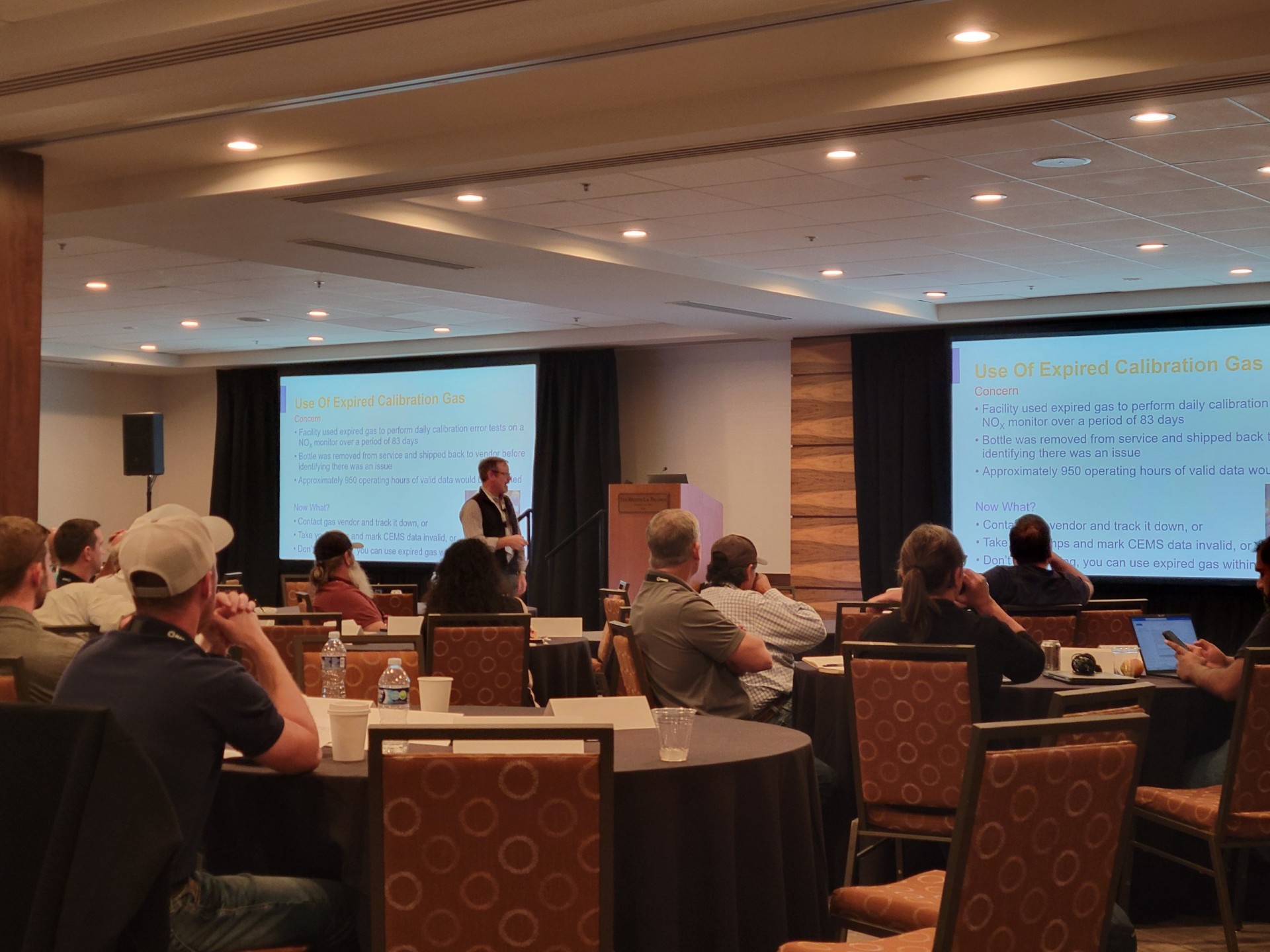
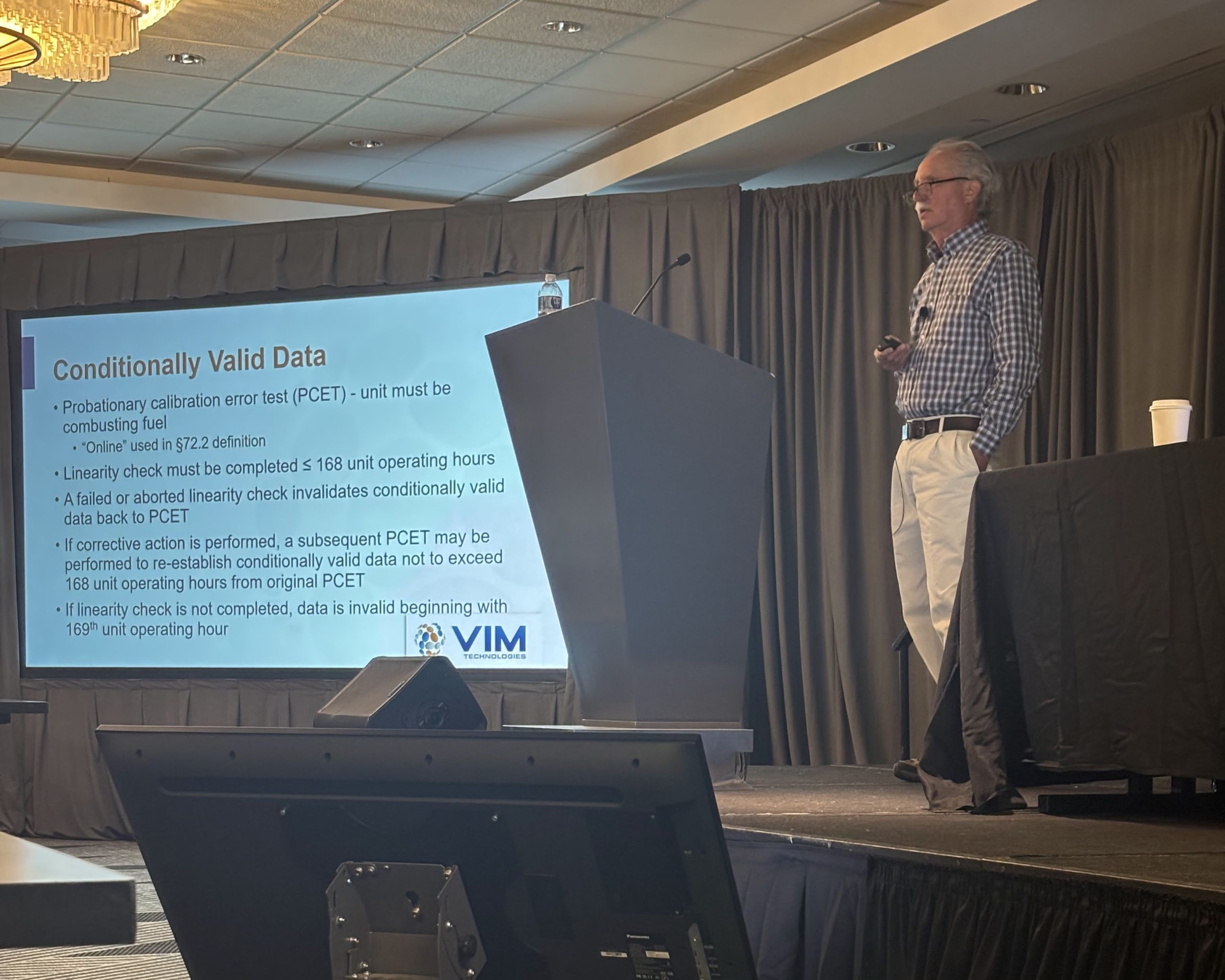
  • Parts 60 & 75 Lessons Learned. Now What?
    This session explored key takeaways from implementing Parts 60 & 75 and provided practical guidance on how organizations can adapt and improve compliance programs moving forward.

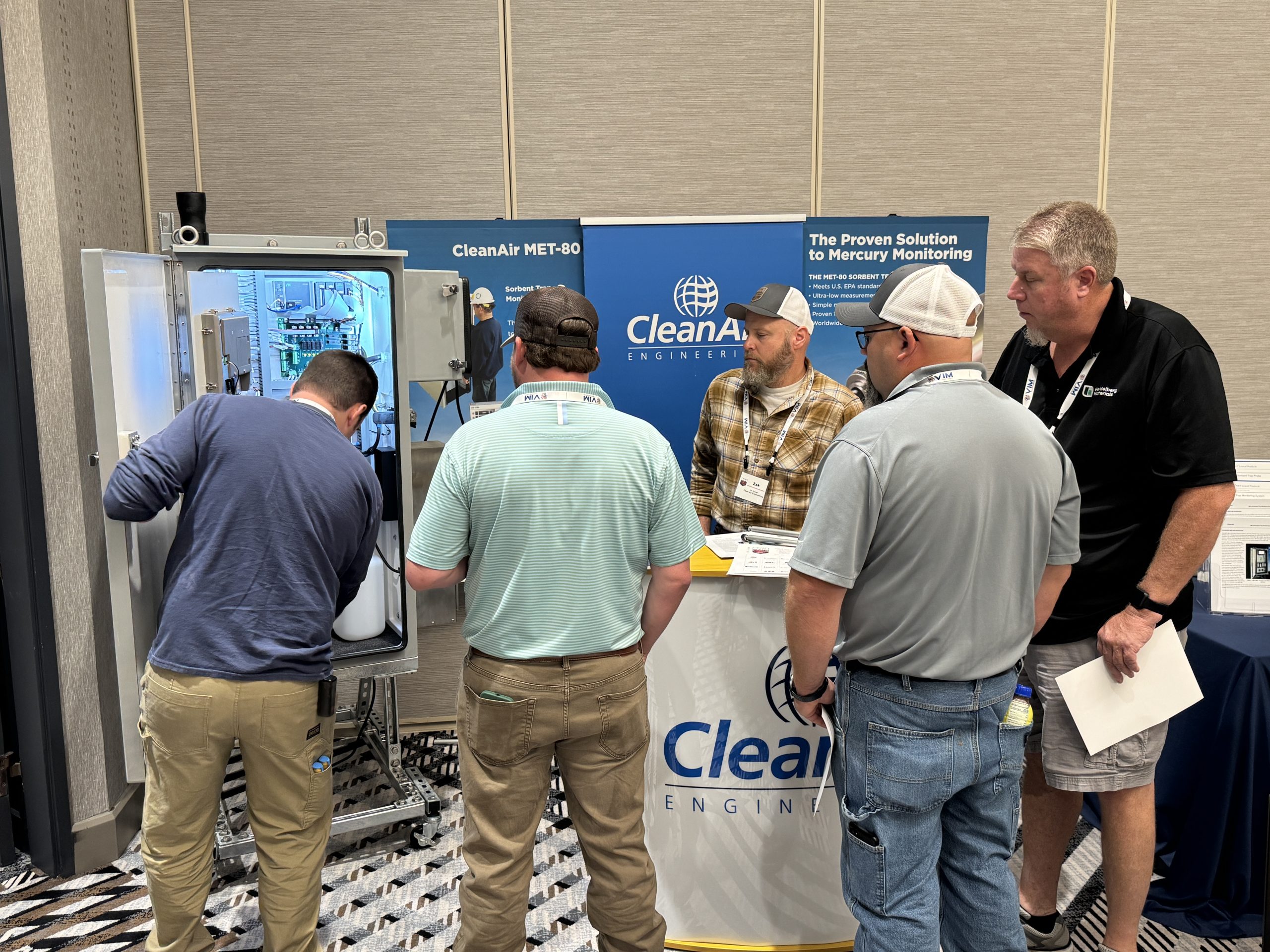
Engaging at the VIM Booth

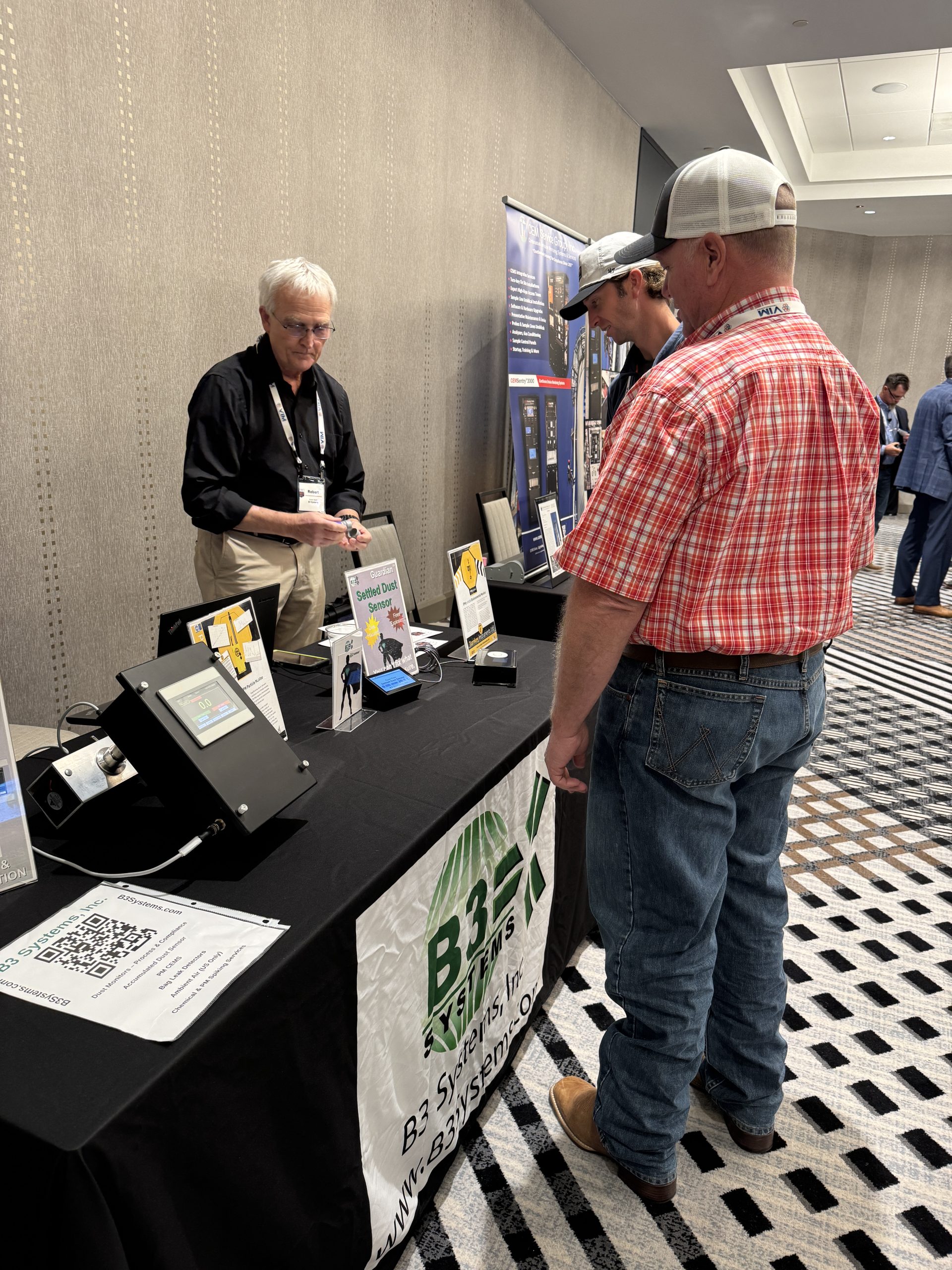
Throughout the event, our team connected with compliance professionals to discuss challenges, share best practices, and demonstrate how VIM’s solutions help organizations:

  • Streamline emissions data management
  • Navigate evolving regulatory requirements
  • Strengthen compliance strategies for long-term success

Why This Matters

Events like the Compliance Services Conference are critical for fostering collaboration and innovation in the compliance space. VIM Technologies remains committed to supporting organizations with tools, expertise, and strategies that make compliance simpler and more effective.

Thank You!

A big thank you to everyone who attended Rudi’s sessions and visited our booth. Your engagement and feedback help us continue to deliver solutions that meet the industry’s most pressing needs.

👉 Want to learn more about VIM’s compliance solutions? Visit our COMPAS Page.

Recap of the 2025 VIM User Group and Training Event

2025 VIM User Group Recap: Insights, Innovation, and Unforgettable Moments in Charlotte

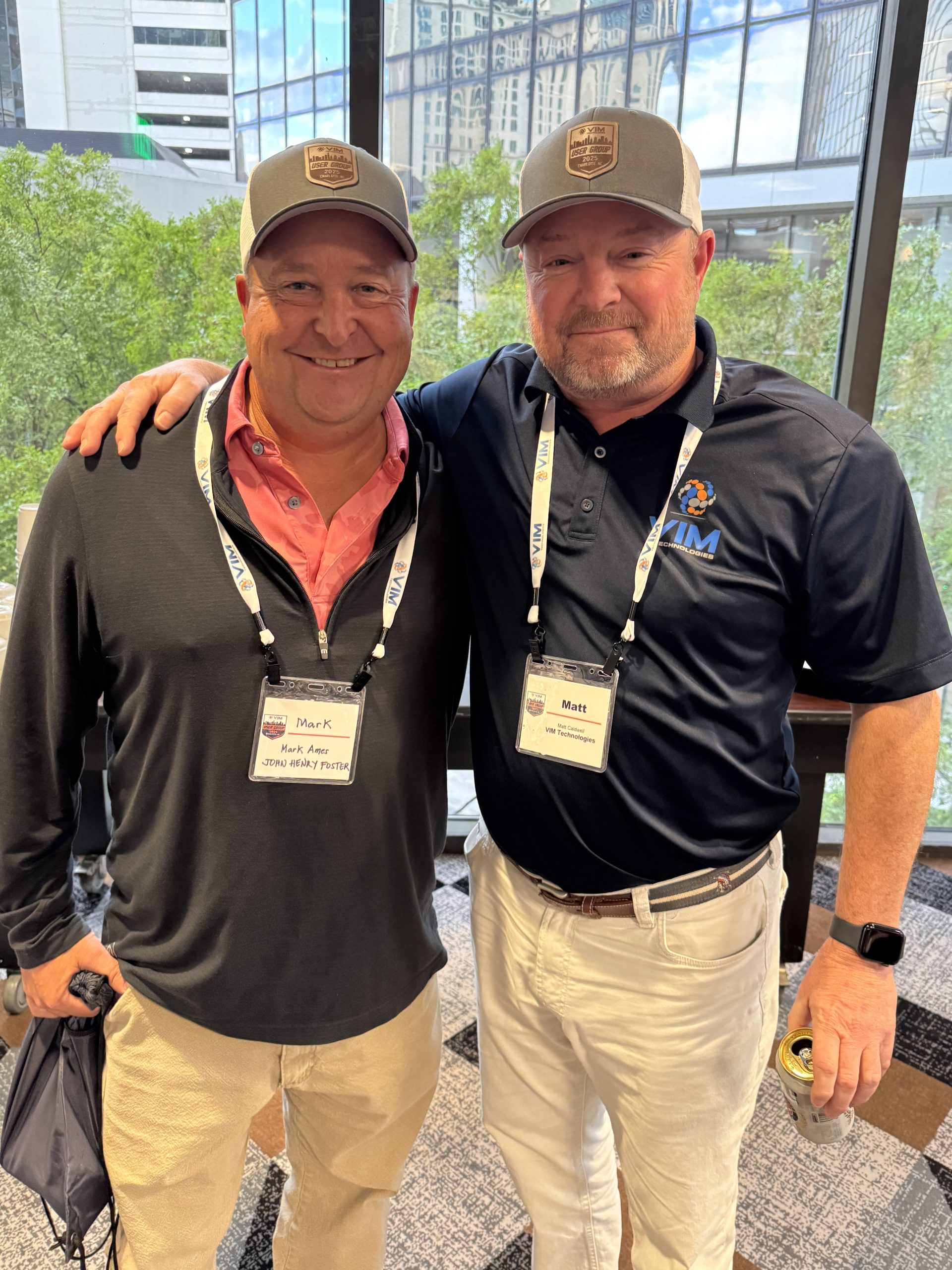
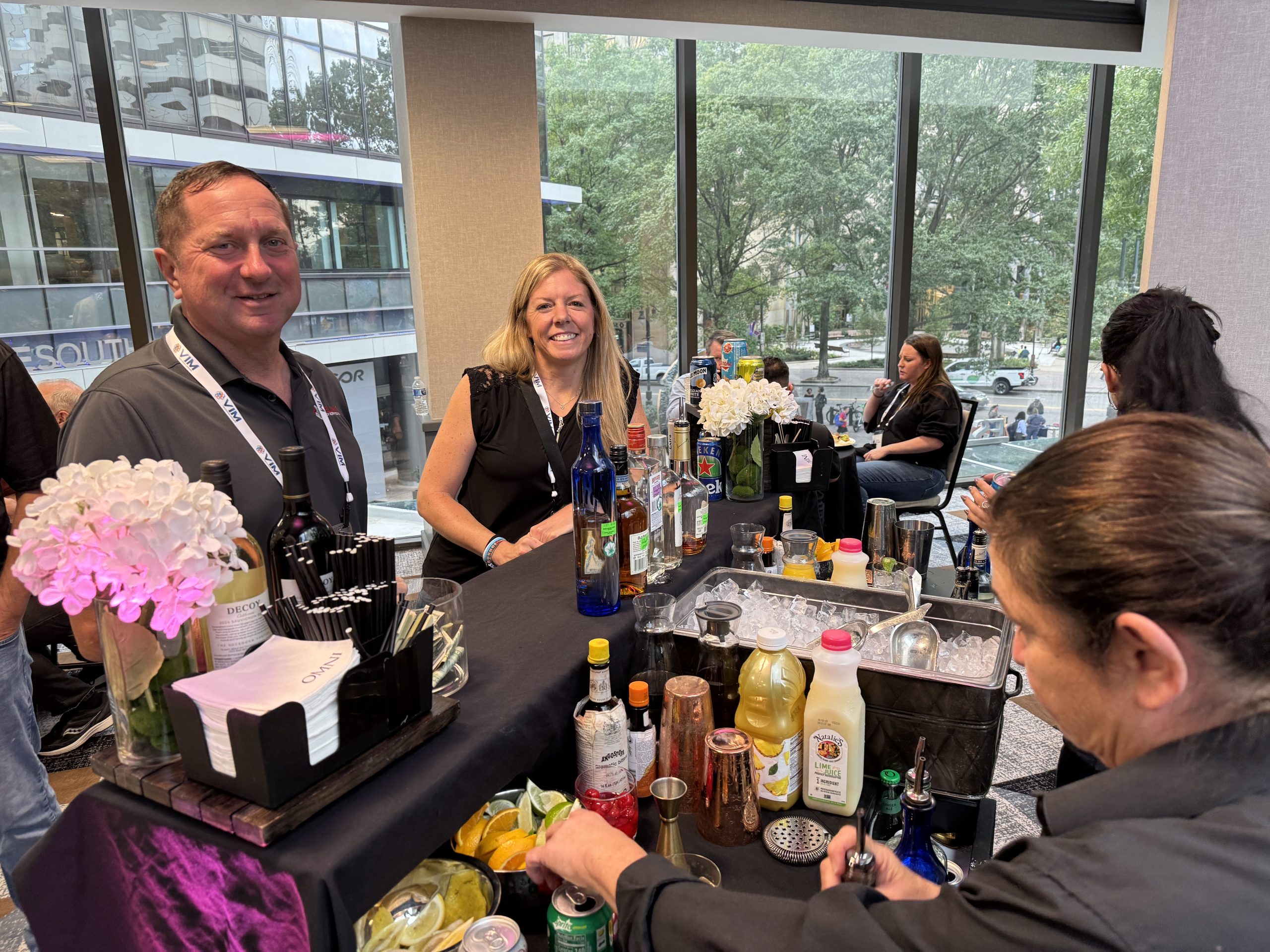
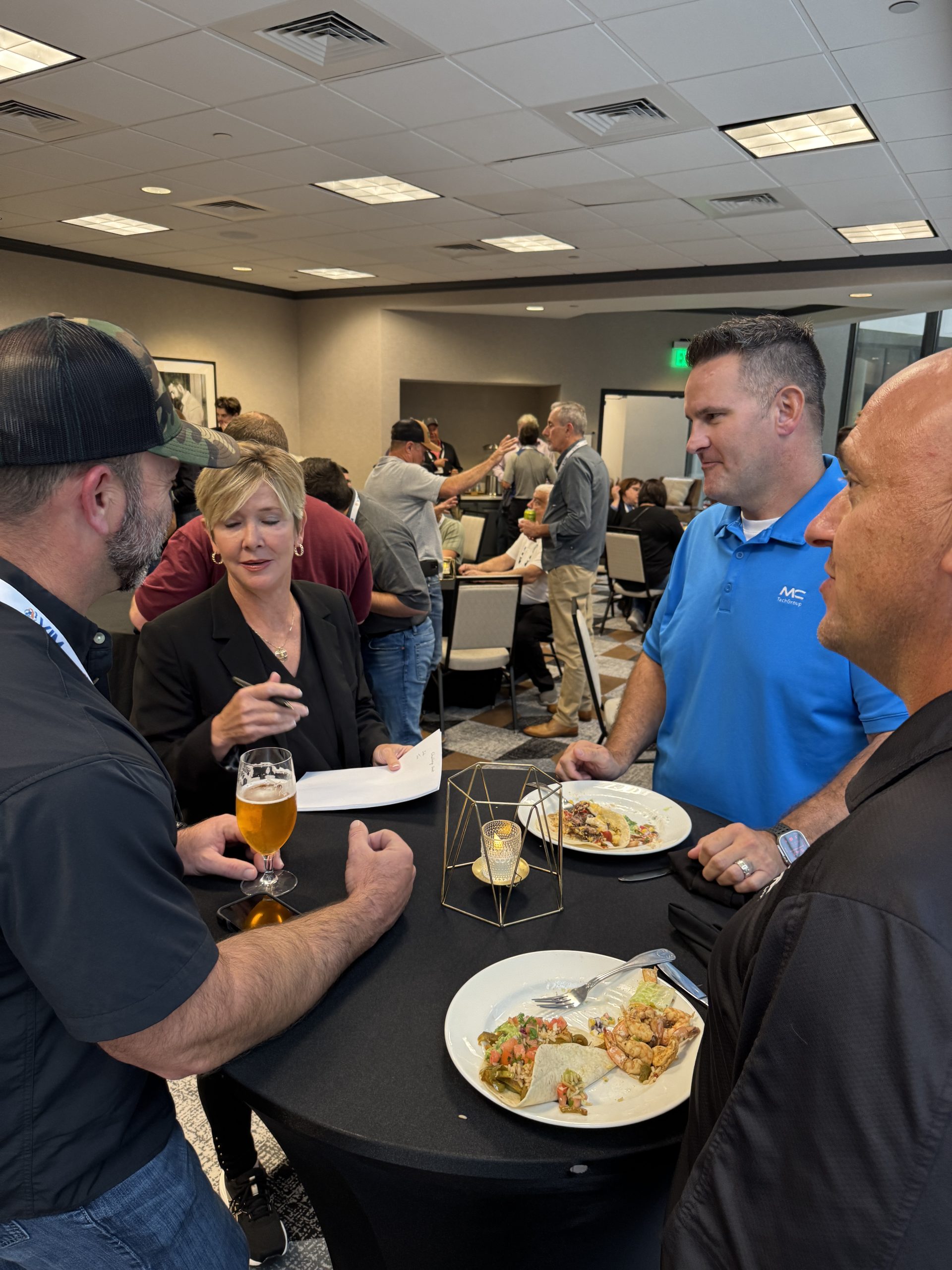
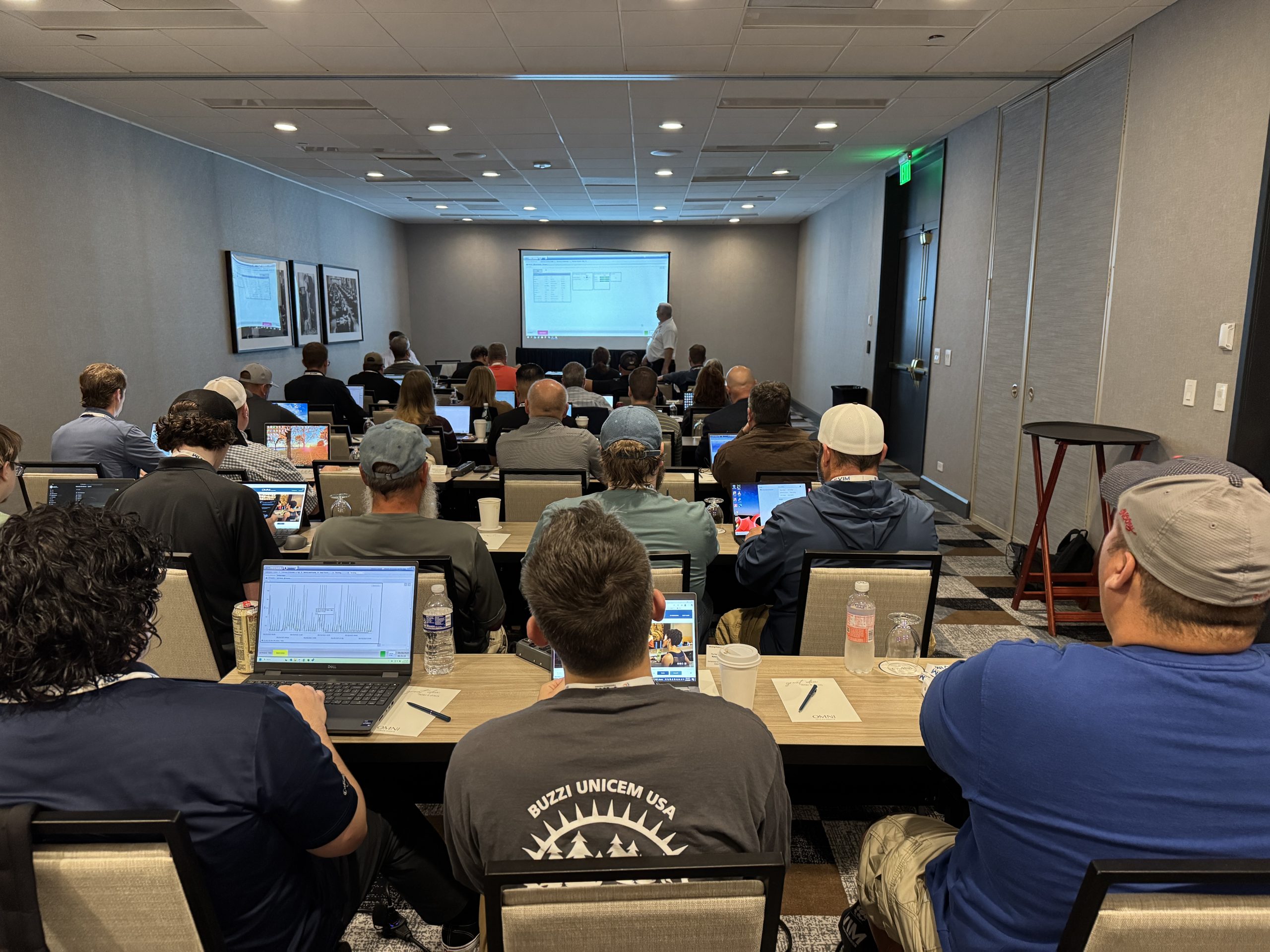
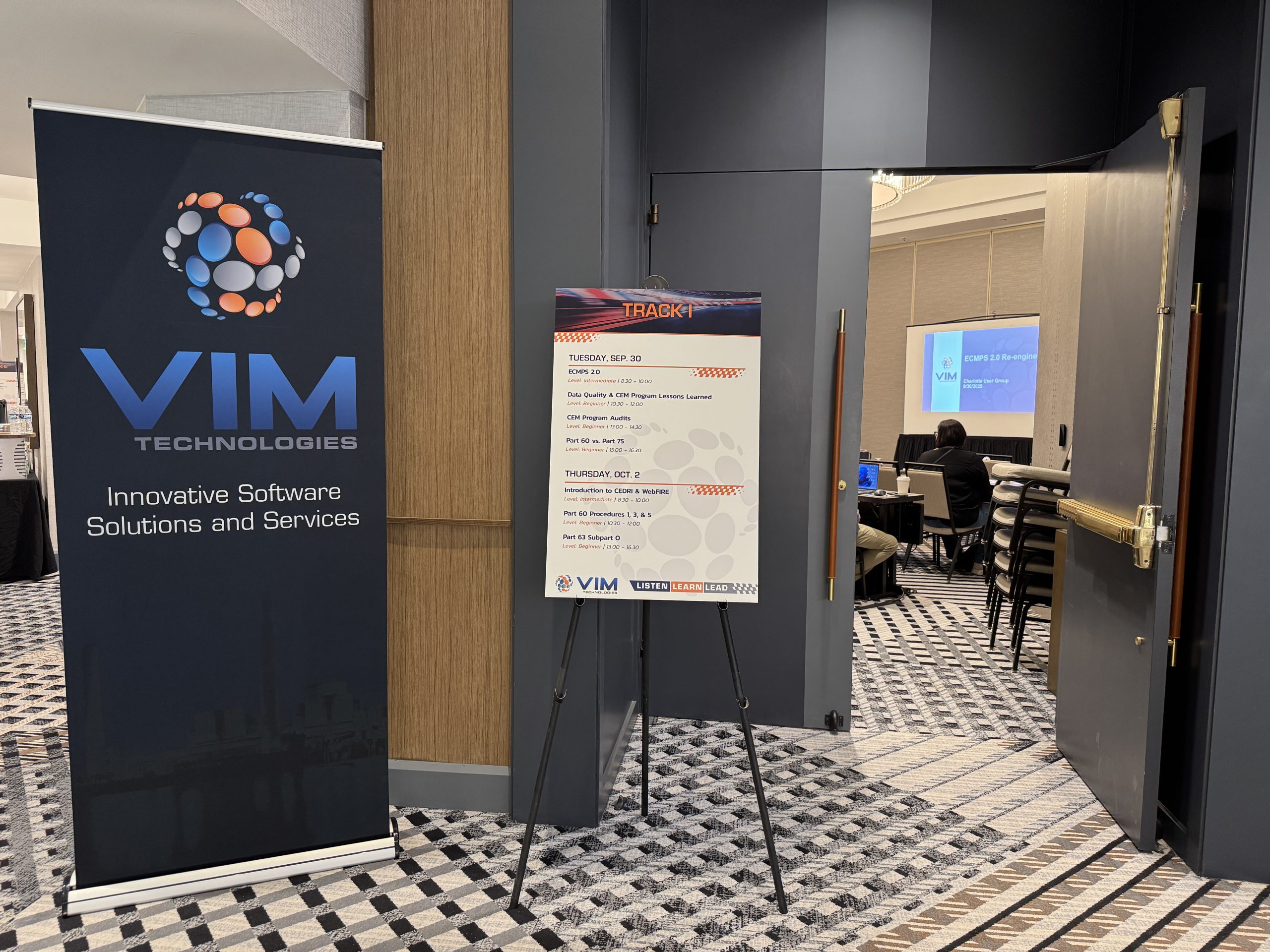
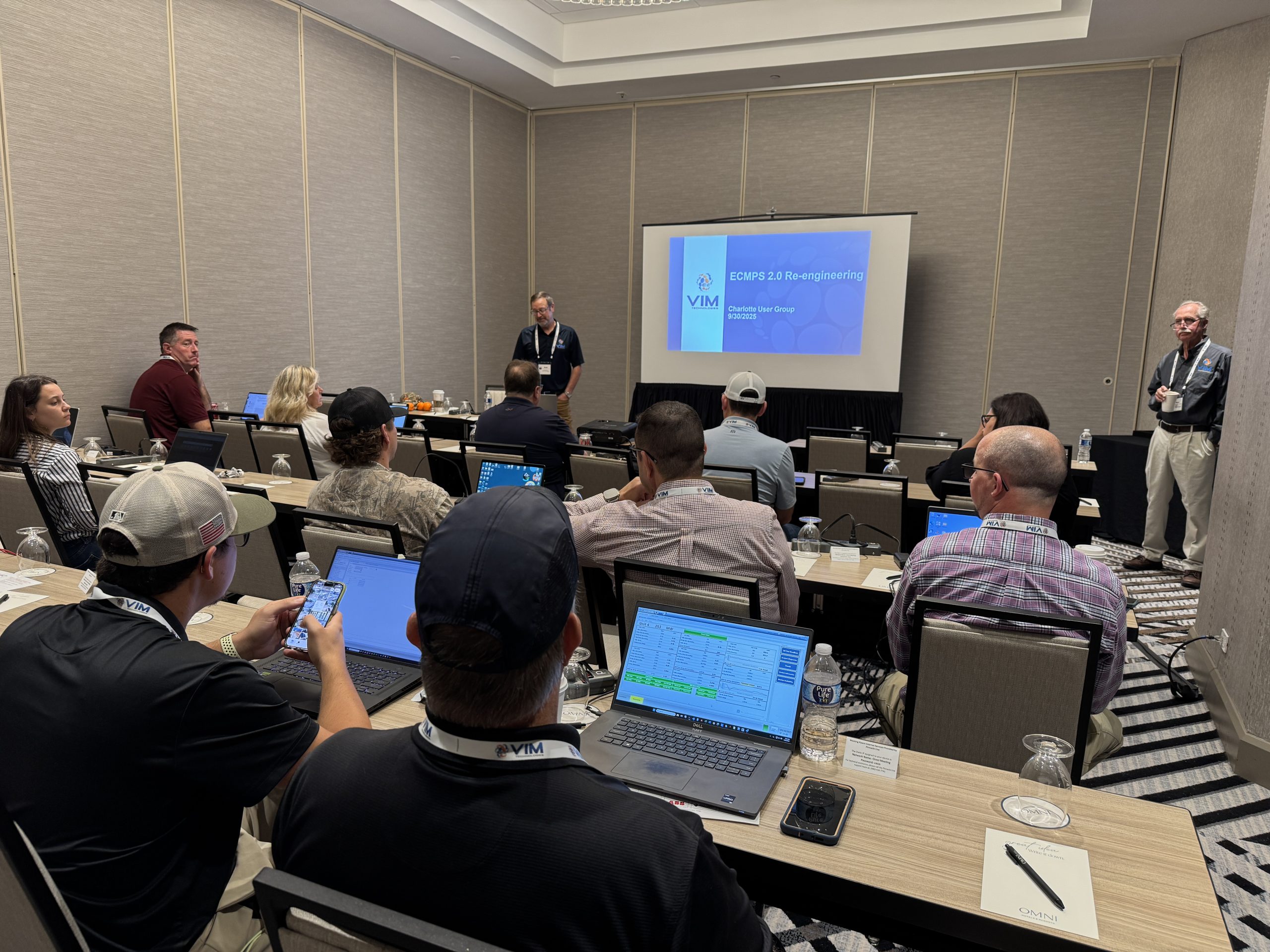
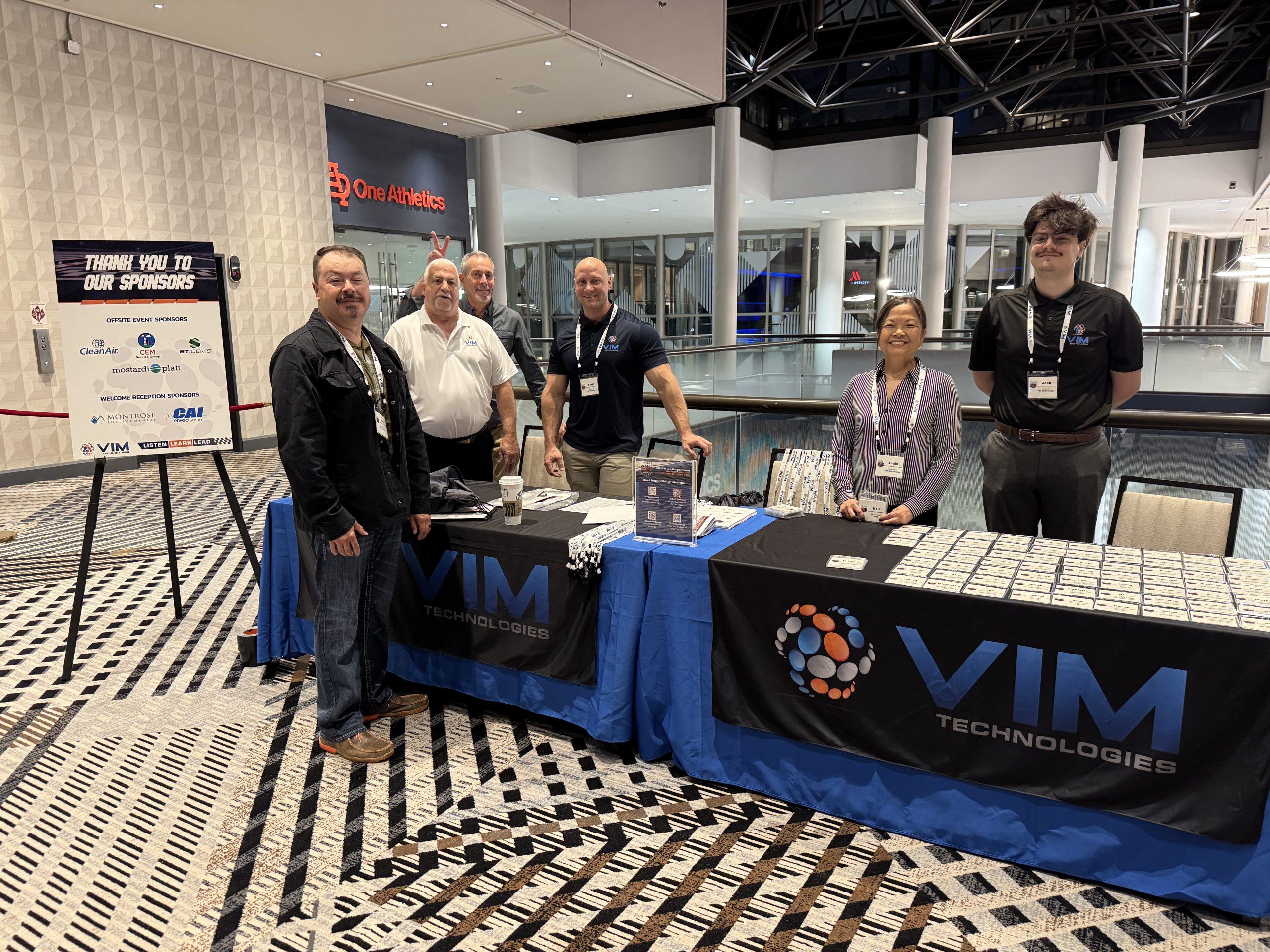
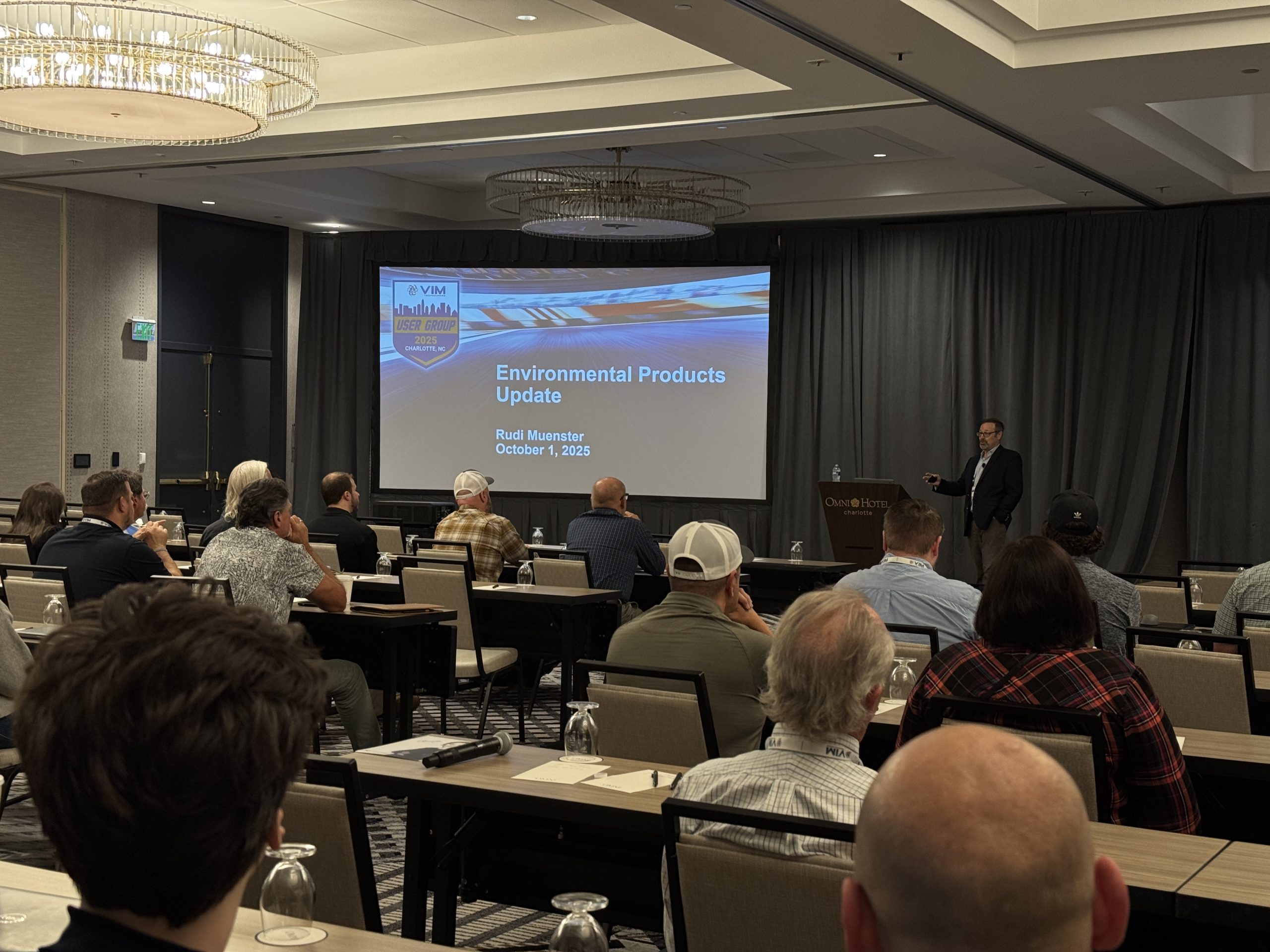
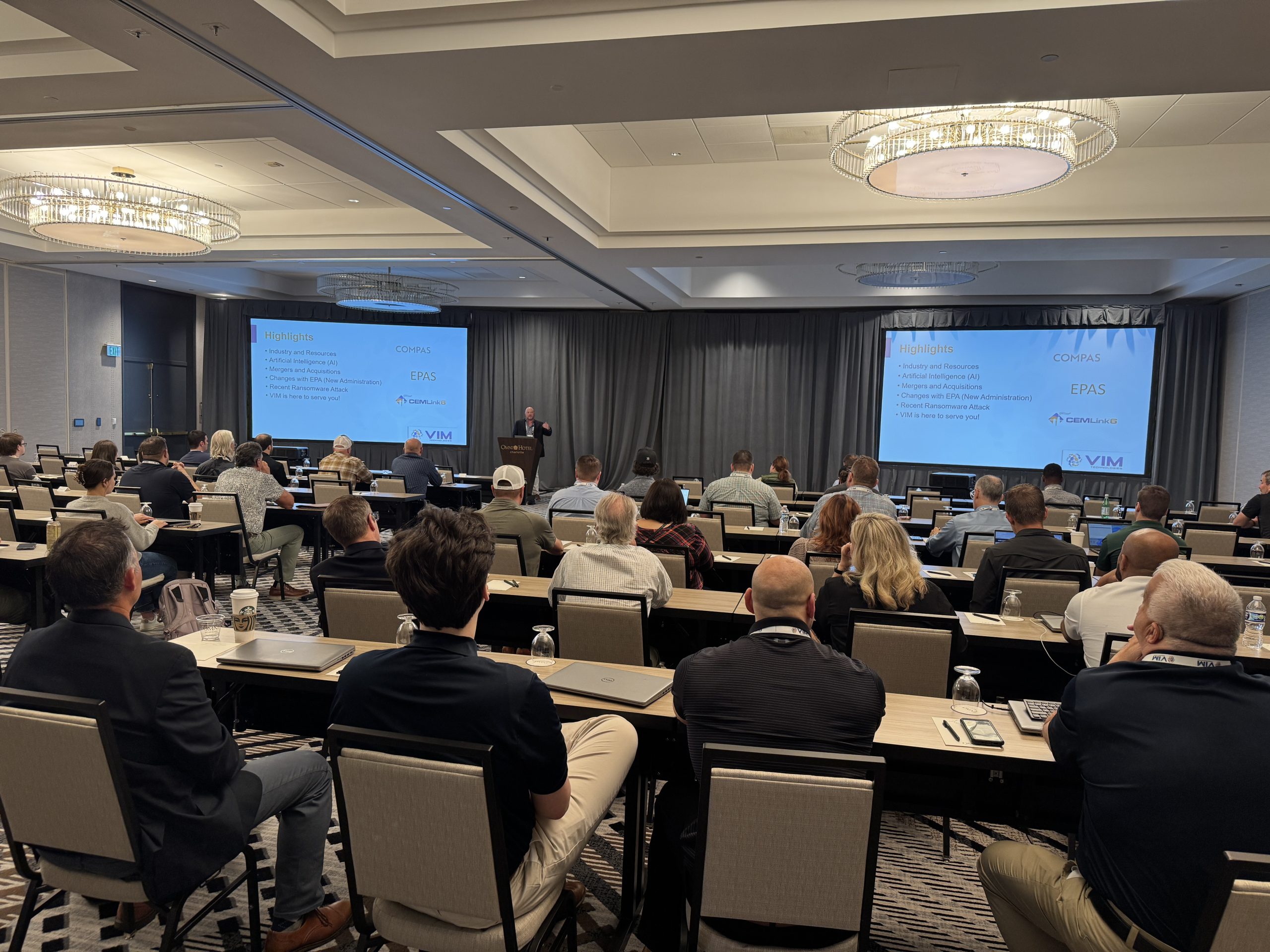
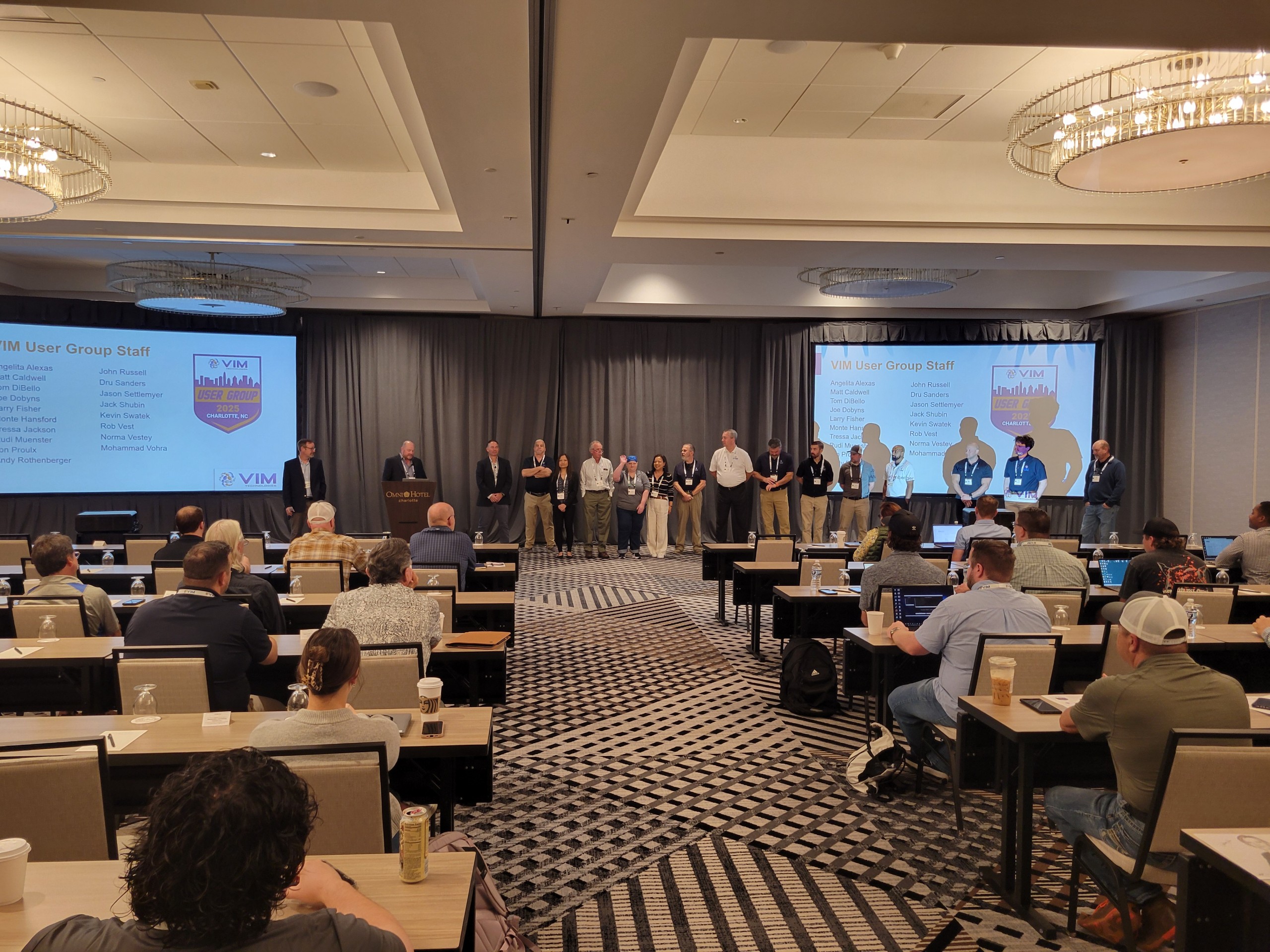
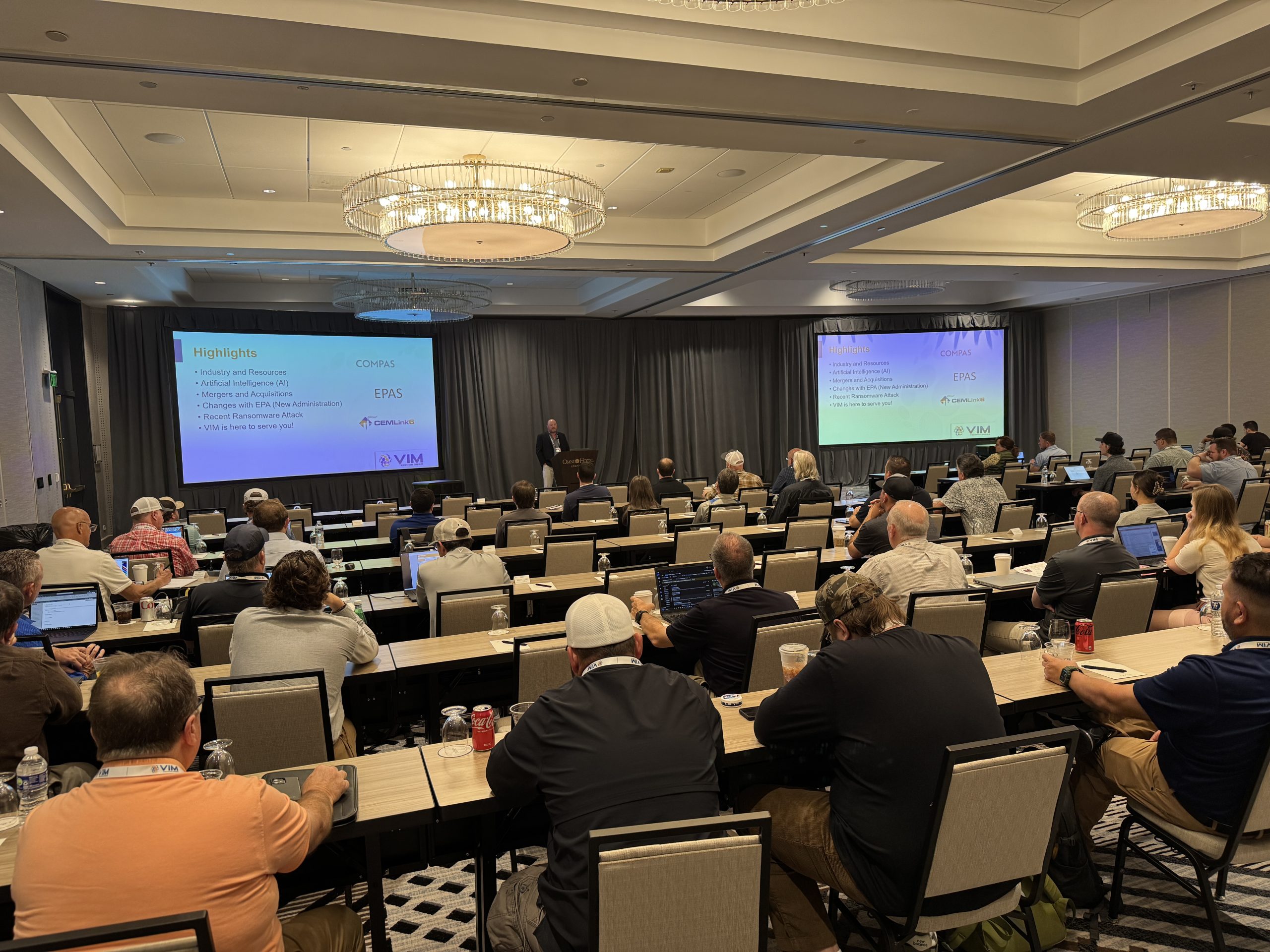
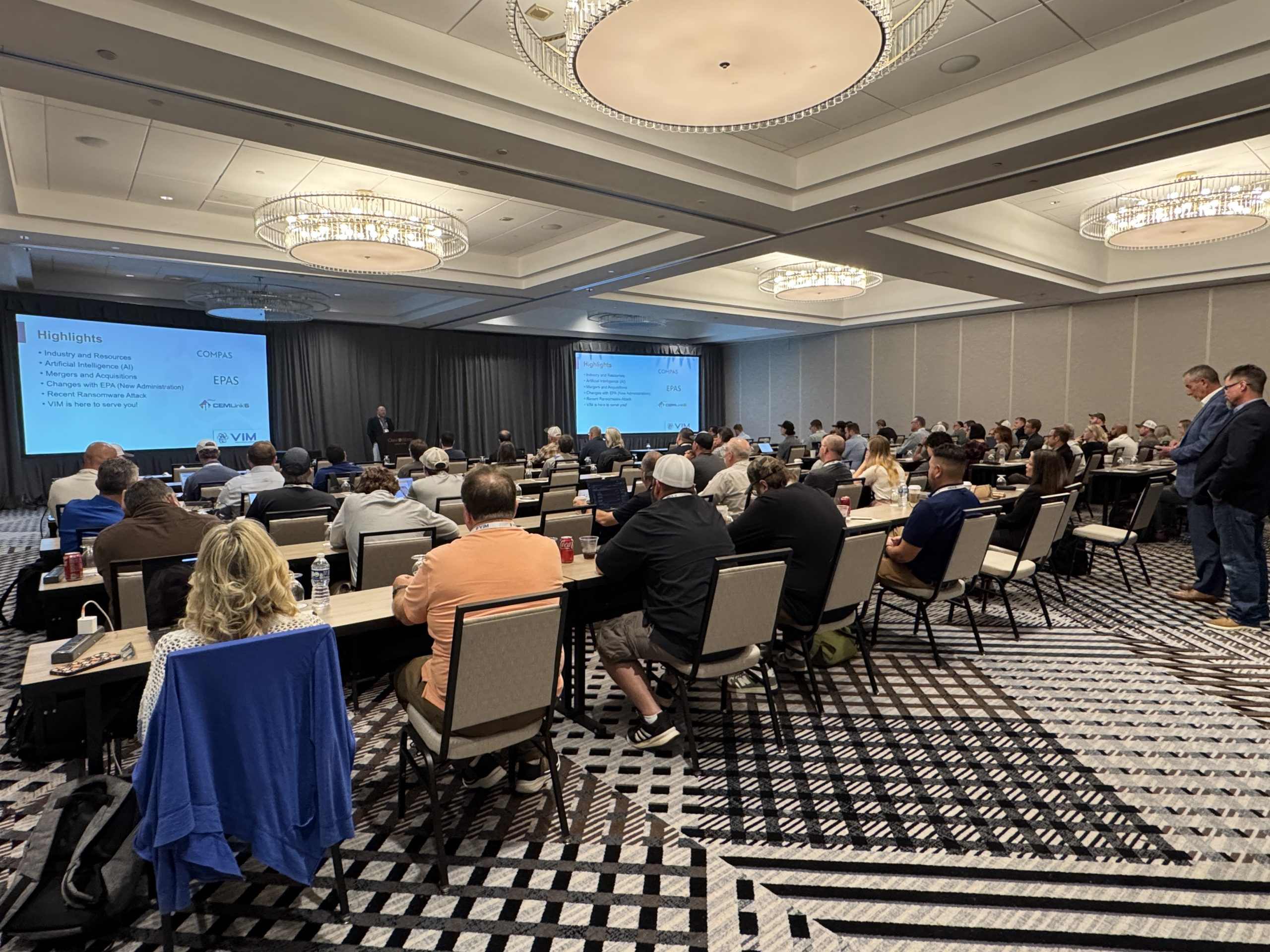
The 2025 VIM User Group & Training Event brought together environmental professionals, VIM customers, partners, and staff for three days of learning, collaboration, and connection in Charlotte, NC. Hosted at the Omni Charlotte Hotel, the event combined practical training, dynamic discussions, and exclusive experiences that left a lasting impact.

Training That Drives Real Results

Our training sessions focused on delivering actionable knowledge to help attendees tackle real-world compliance challenges. From deep dives into the latest VIM features to strategies for navigating complex regulations, participants gained tools and insights to strengthen their teams and processes. Engagement was outstanding. Attendees came ready to learn, share, and apply new ideas. Feedback was clear: the sessions were relevant, practical, and energizing.

User Group Conversations That Spark Innovation

The User Group sessions were a hub for collaboration and forward thinking. VIM shared updates on product enhancements and future plans, giving attendees a clear view of what’s ahead. Partners contributed with informative talks on compliance trends and best practices, adding valuable perspective to the discussions.

Chris Worley, Environmental Policy Analyst at the U.S. EPA, joined remotely to share an update on the ECPMS 2.0 Re-Engineering Project and answer audience questions, providing valuable regulatory insight and reinforcing the importance of industry collaboration. These sessions sparked ideas and strengthened our community.

Exclusive Experiences That Made It Memorable

Welcome Reception with Allison Fisher, MBE
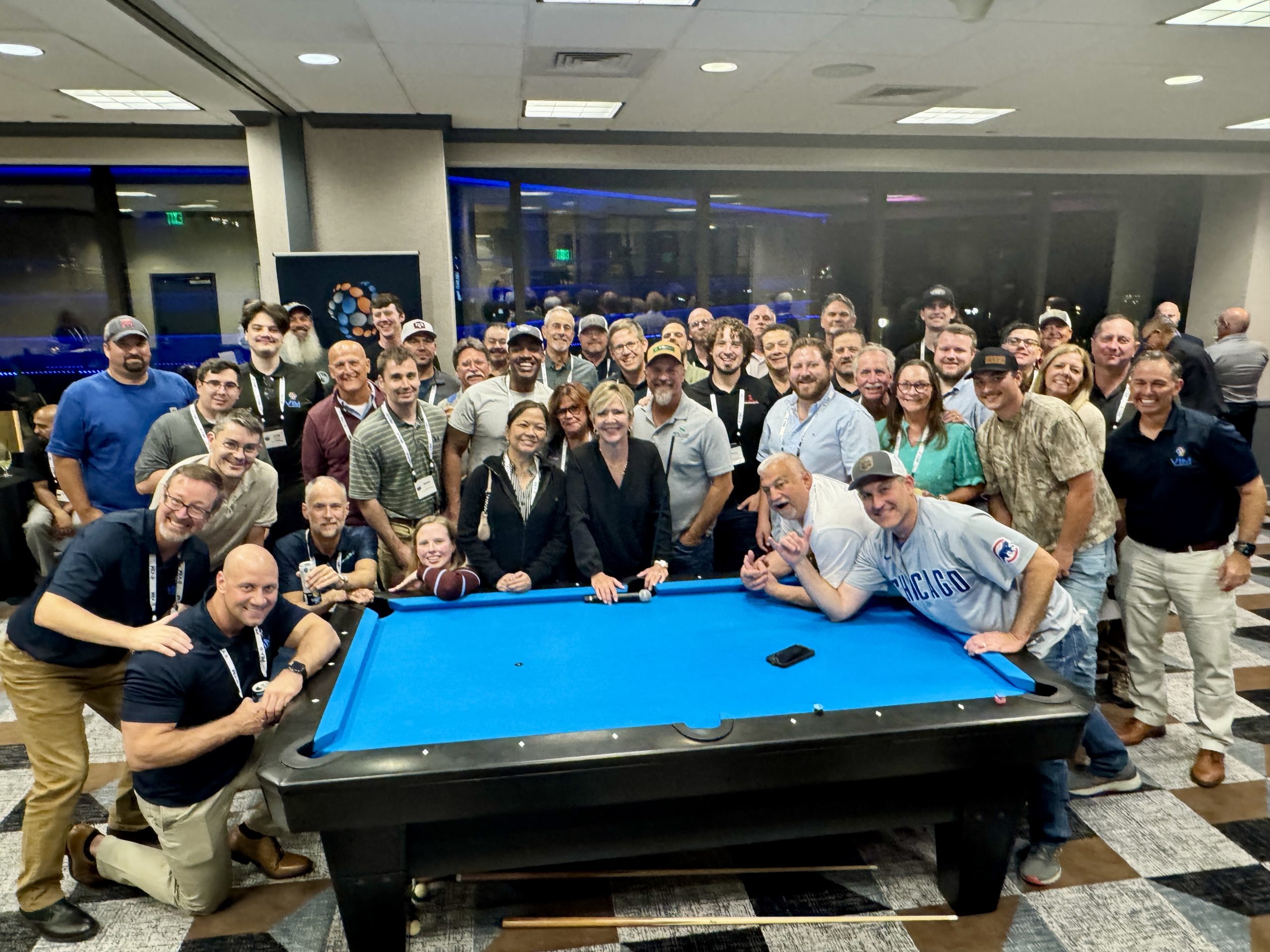
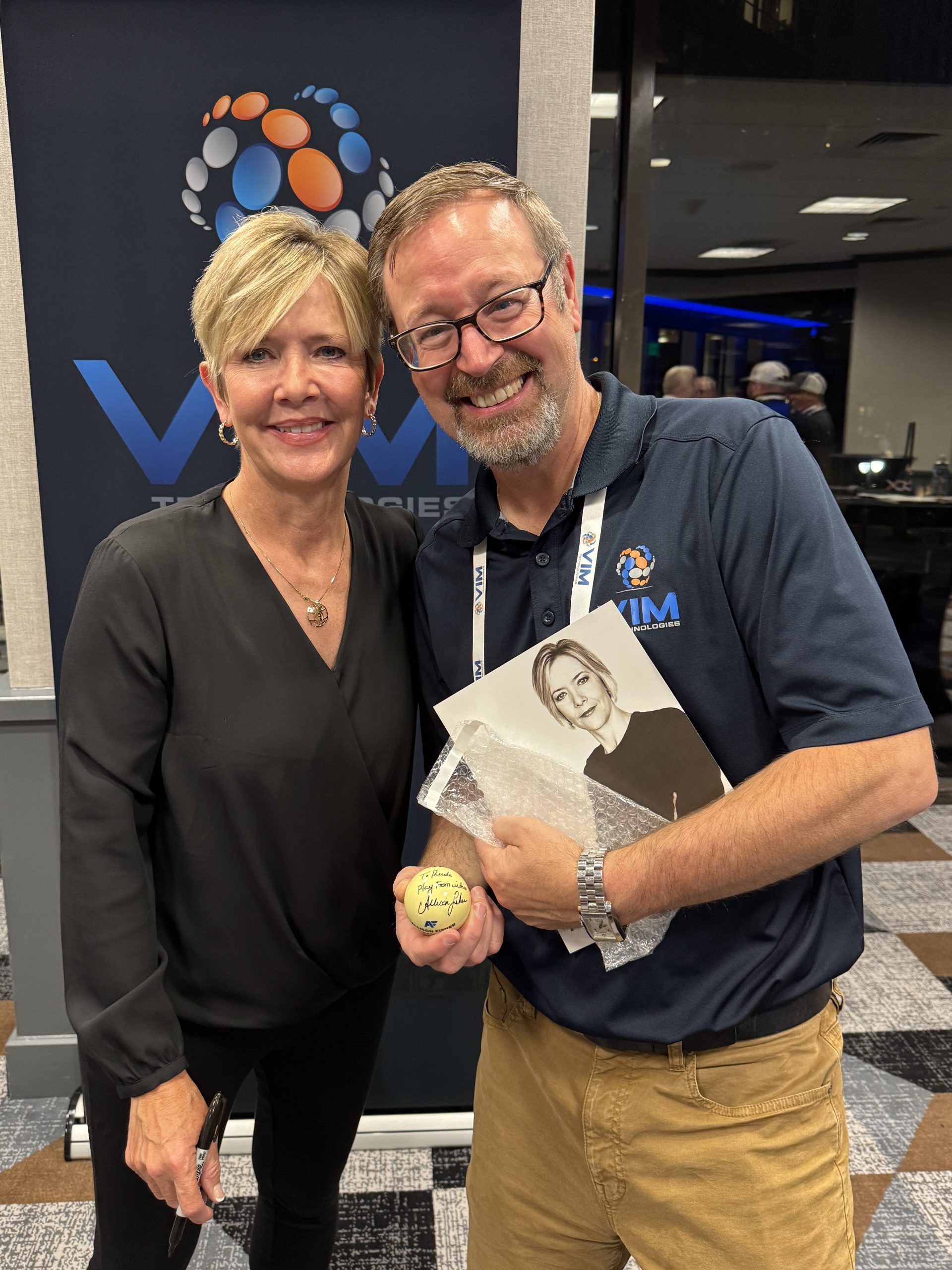
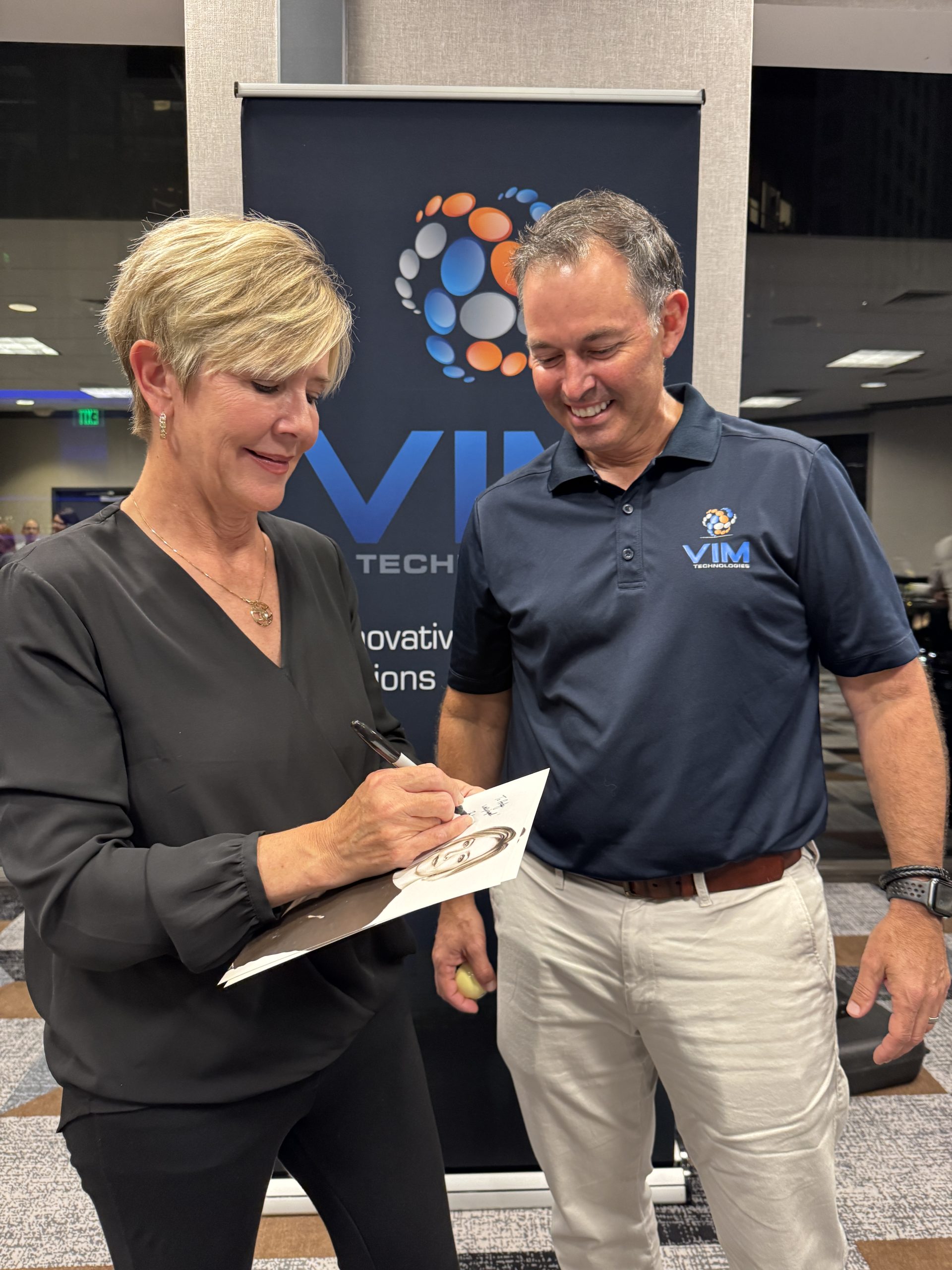
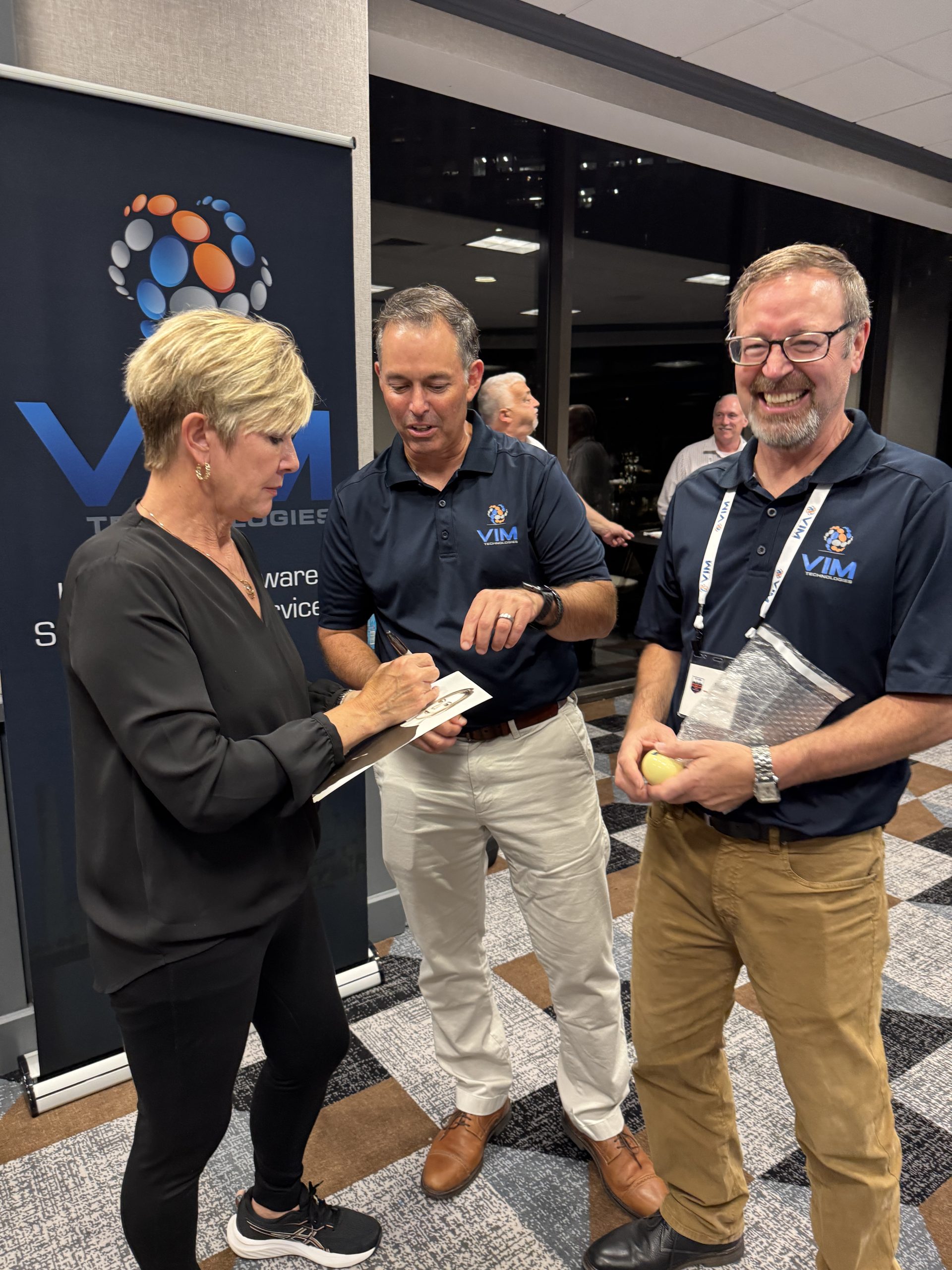
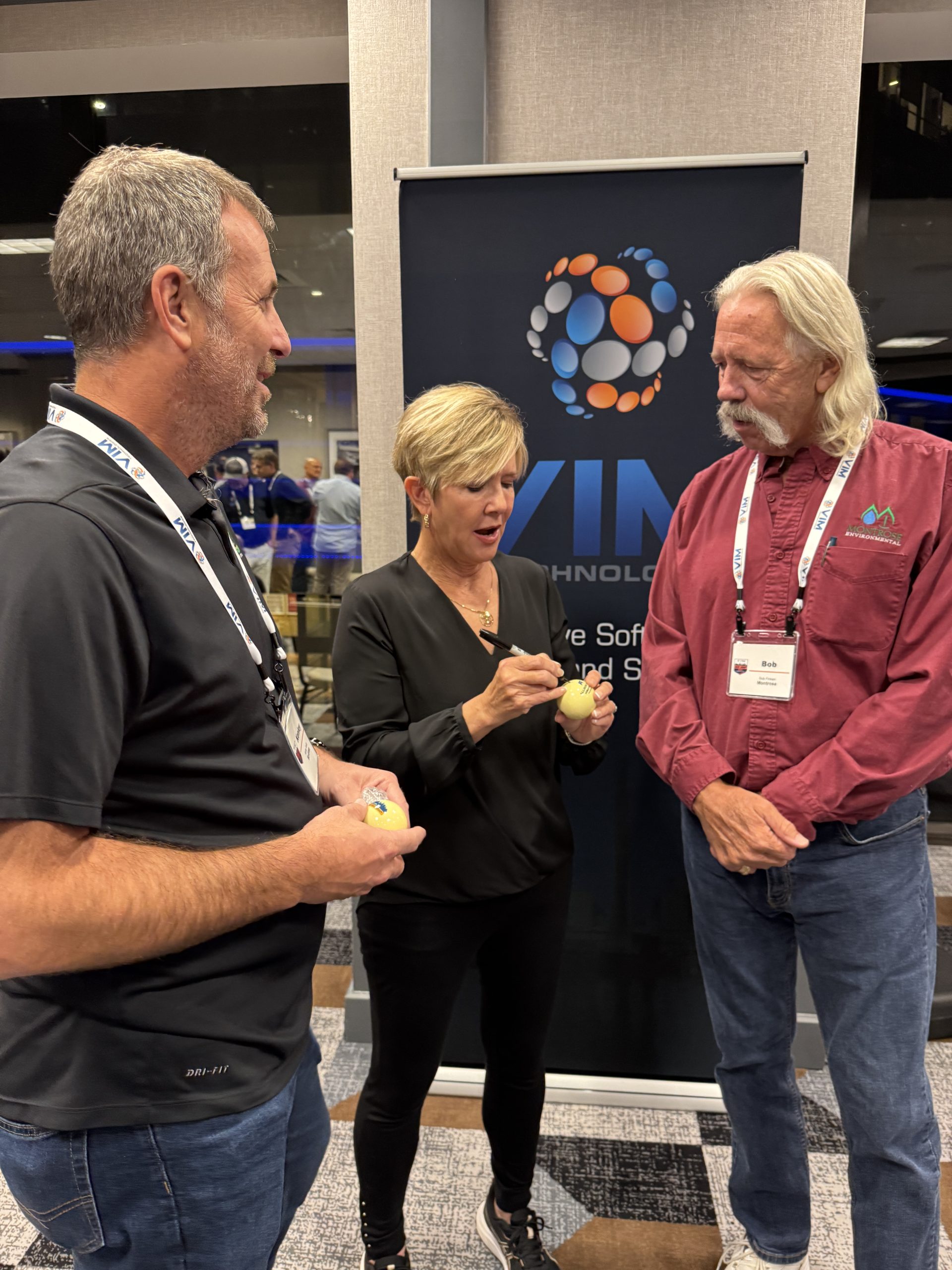
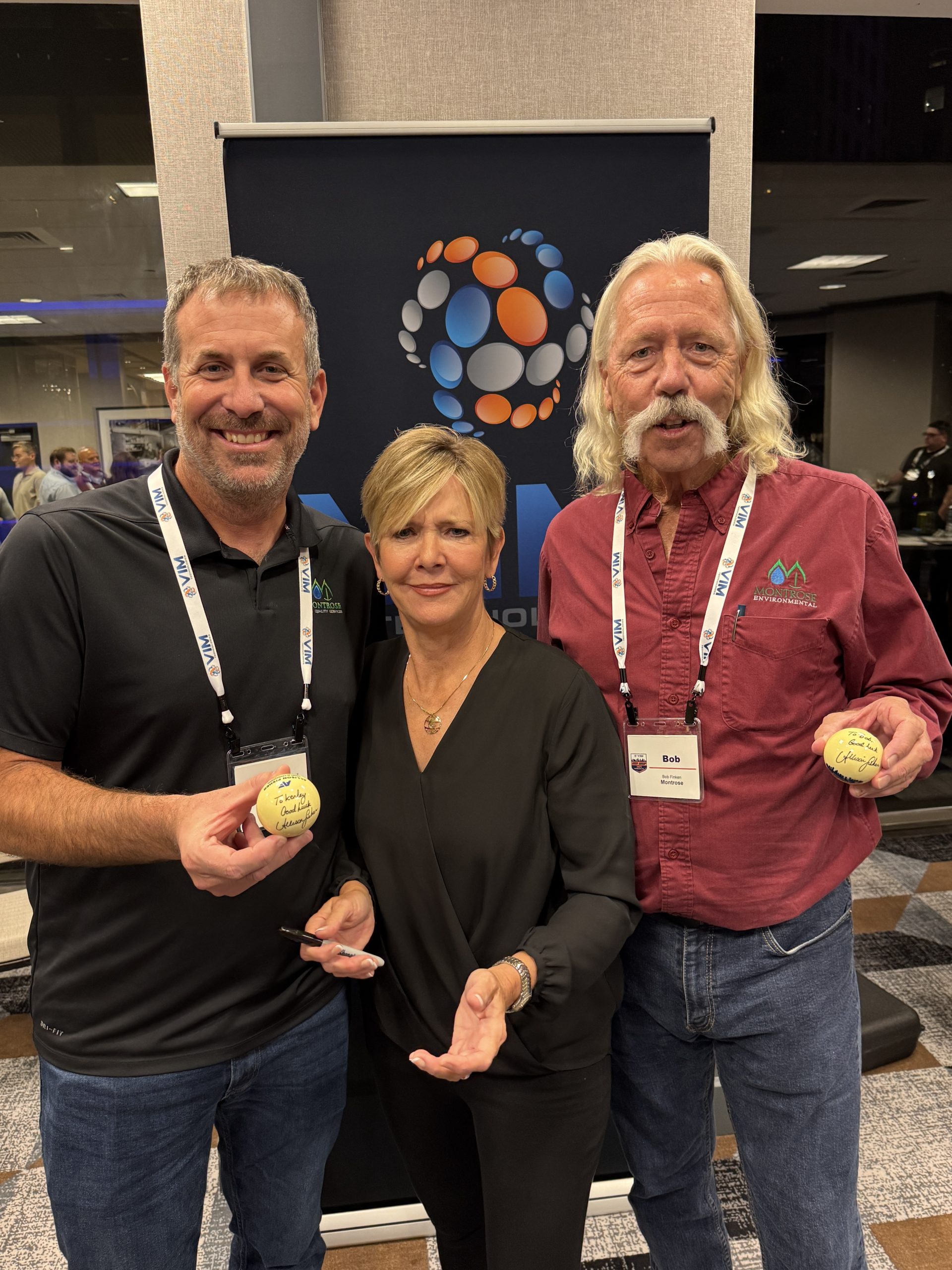
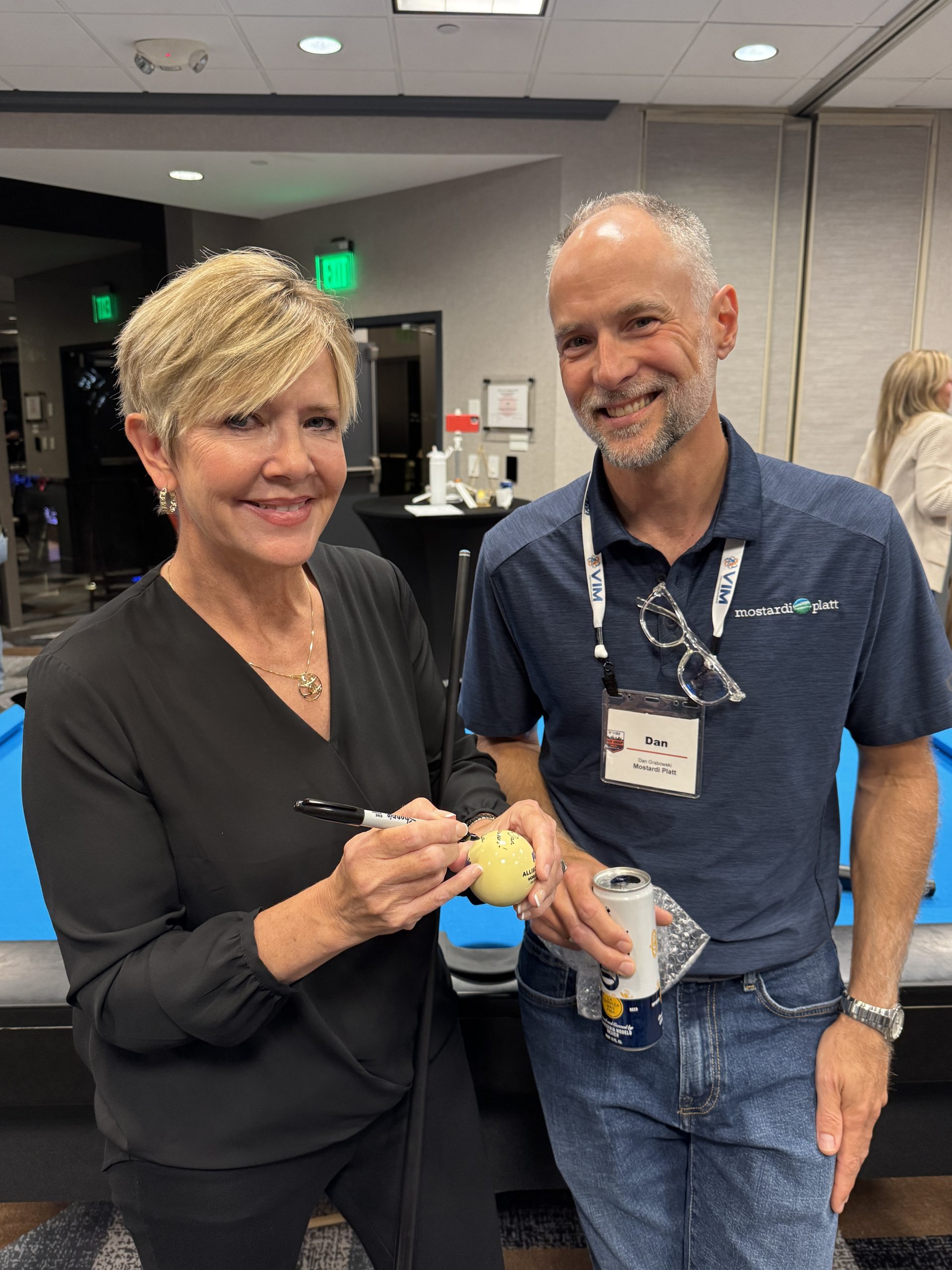
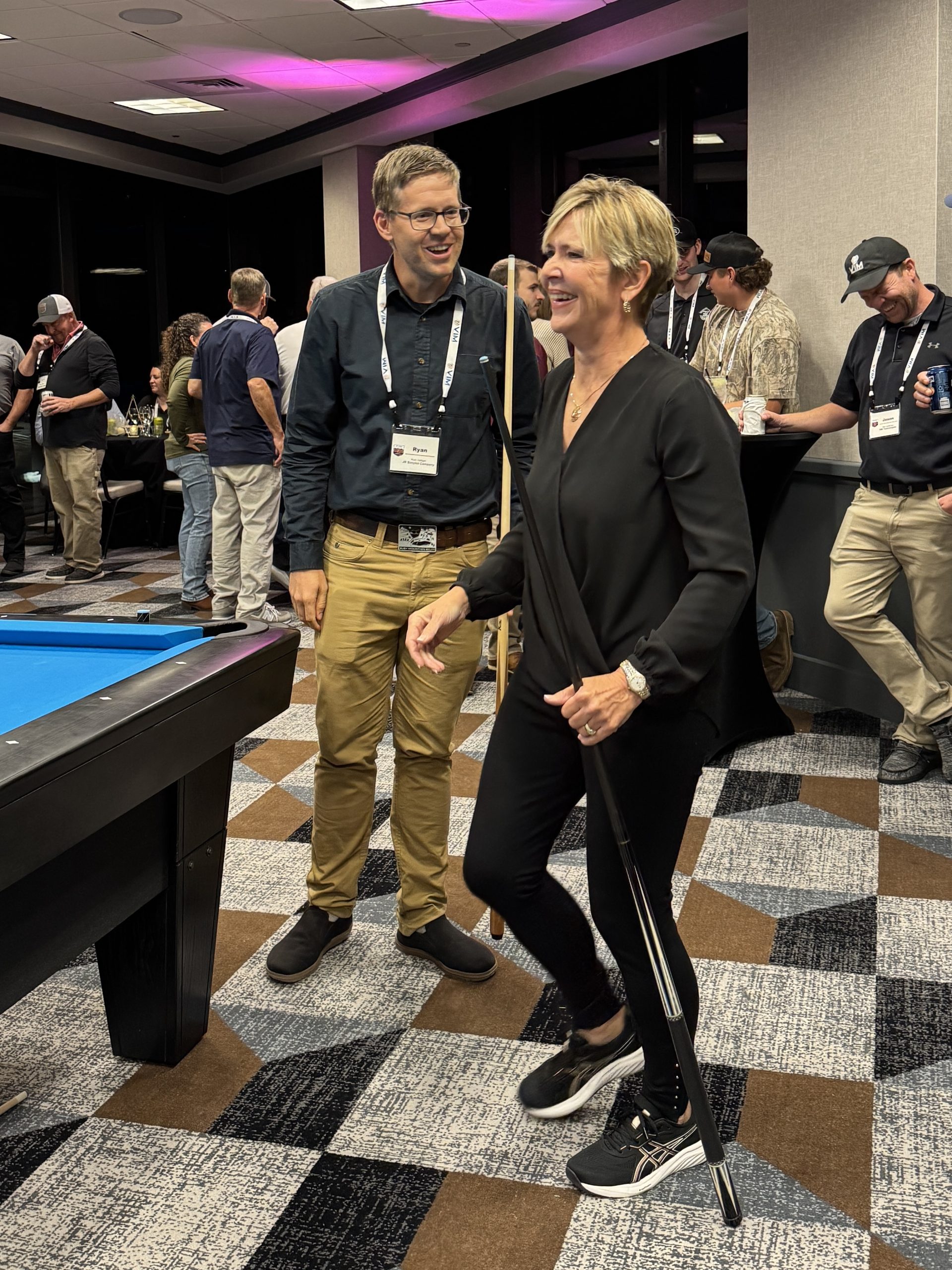
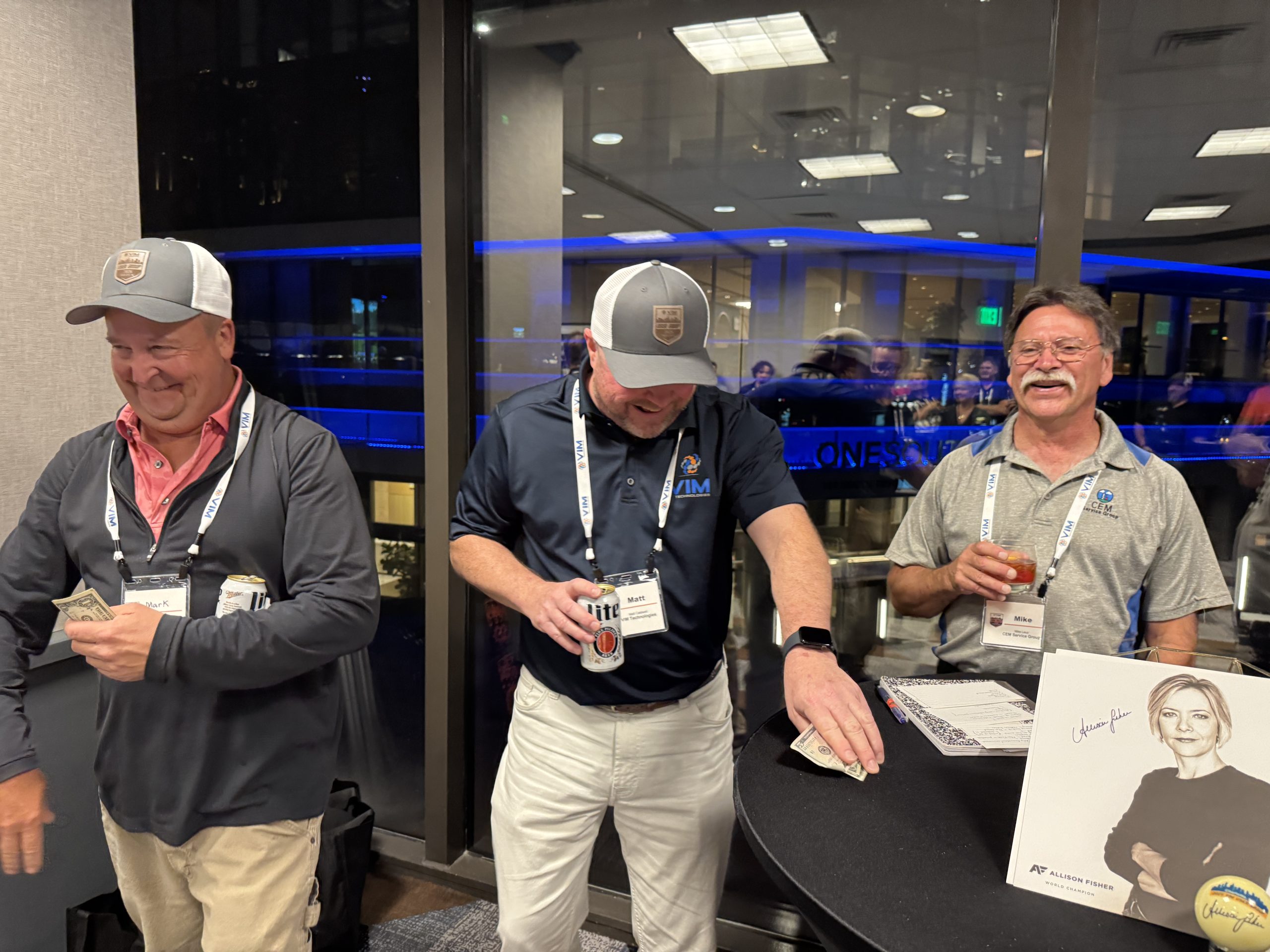
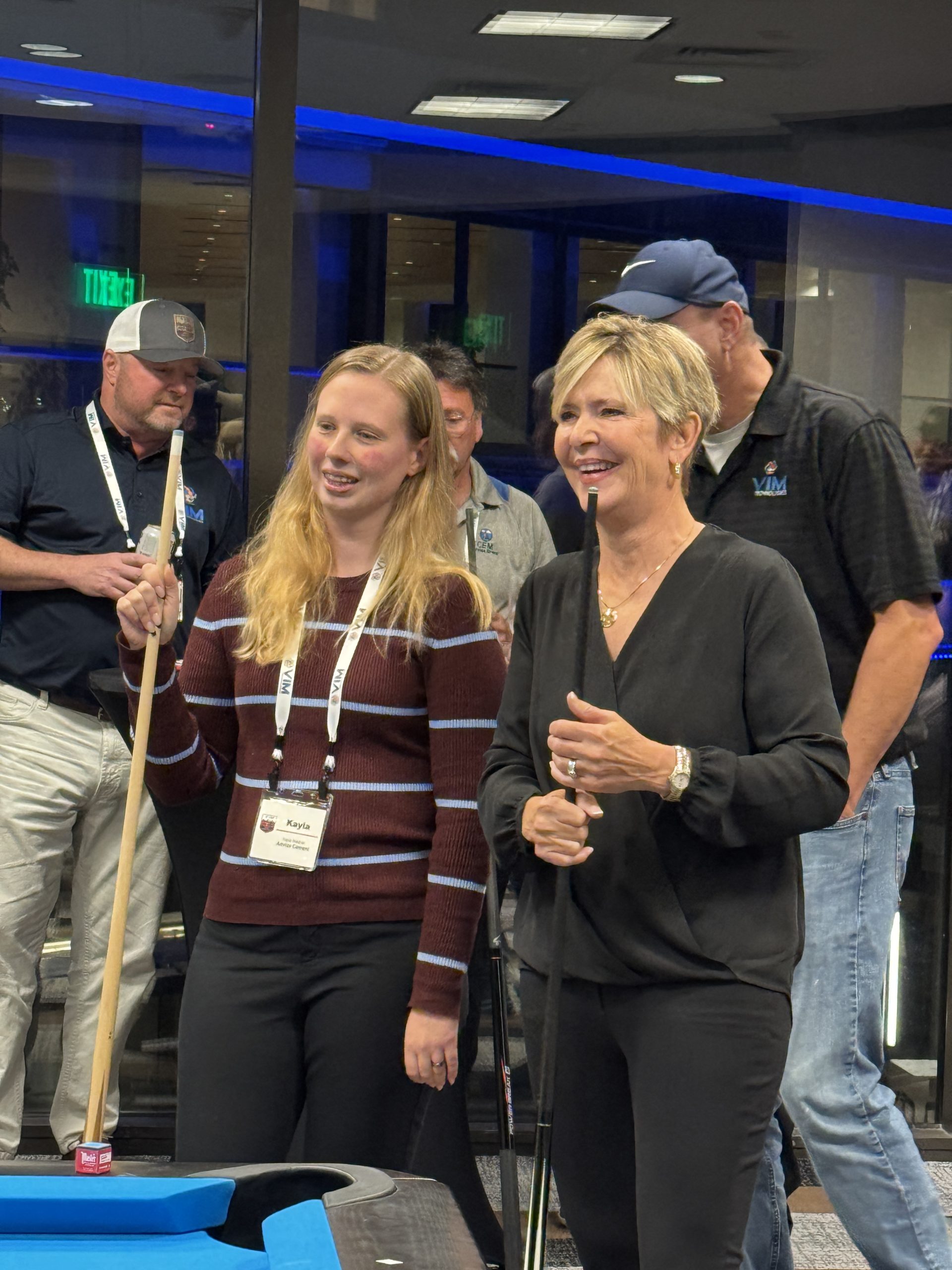
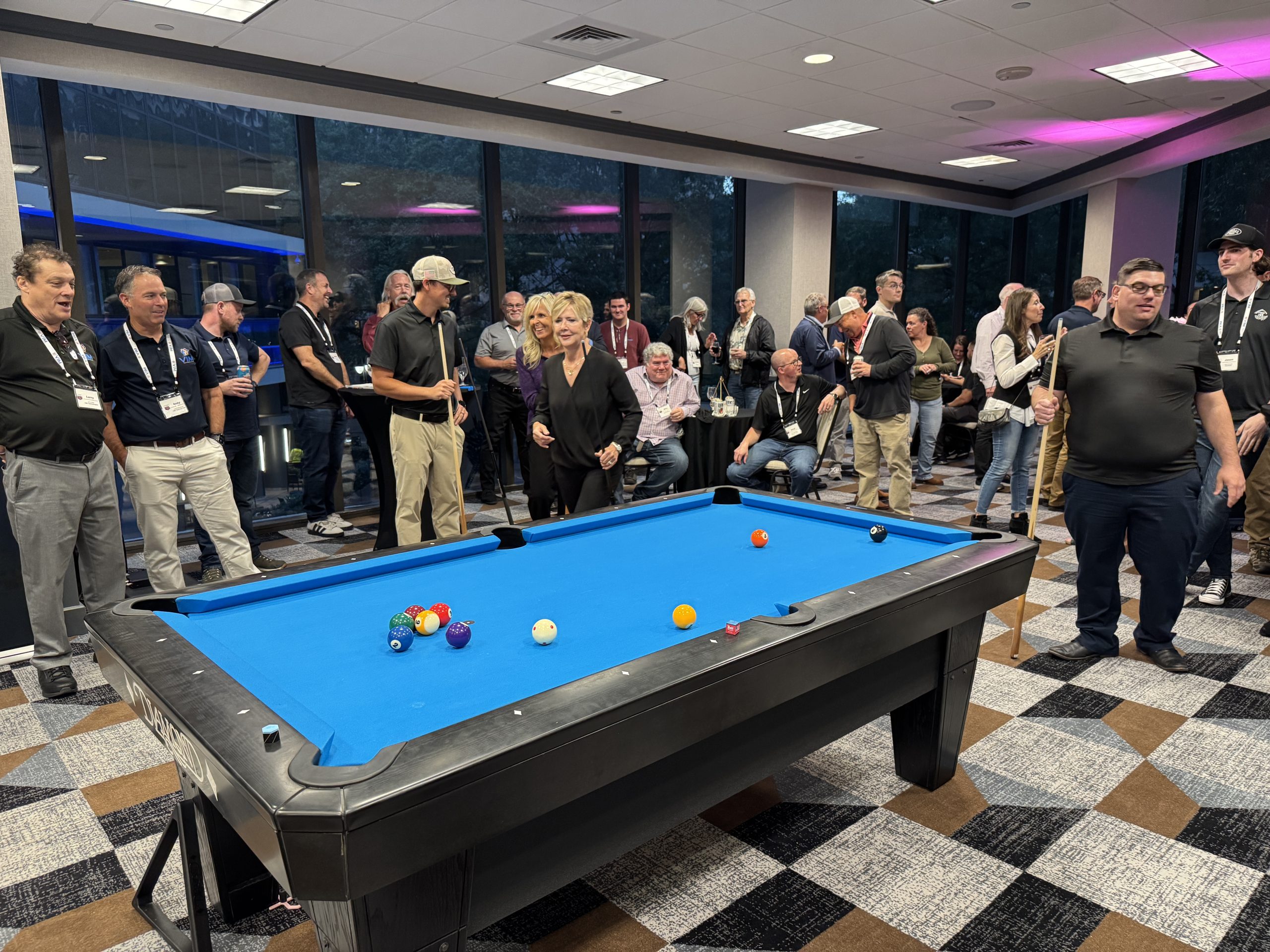
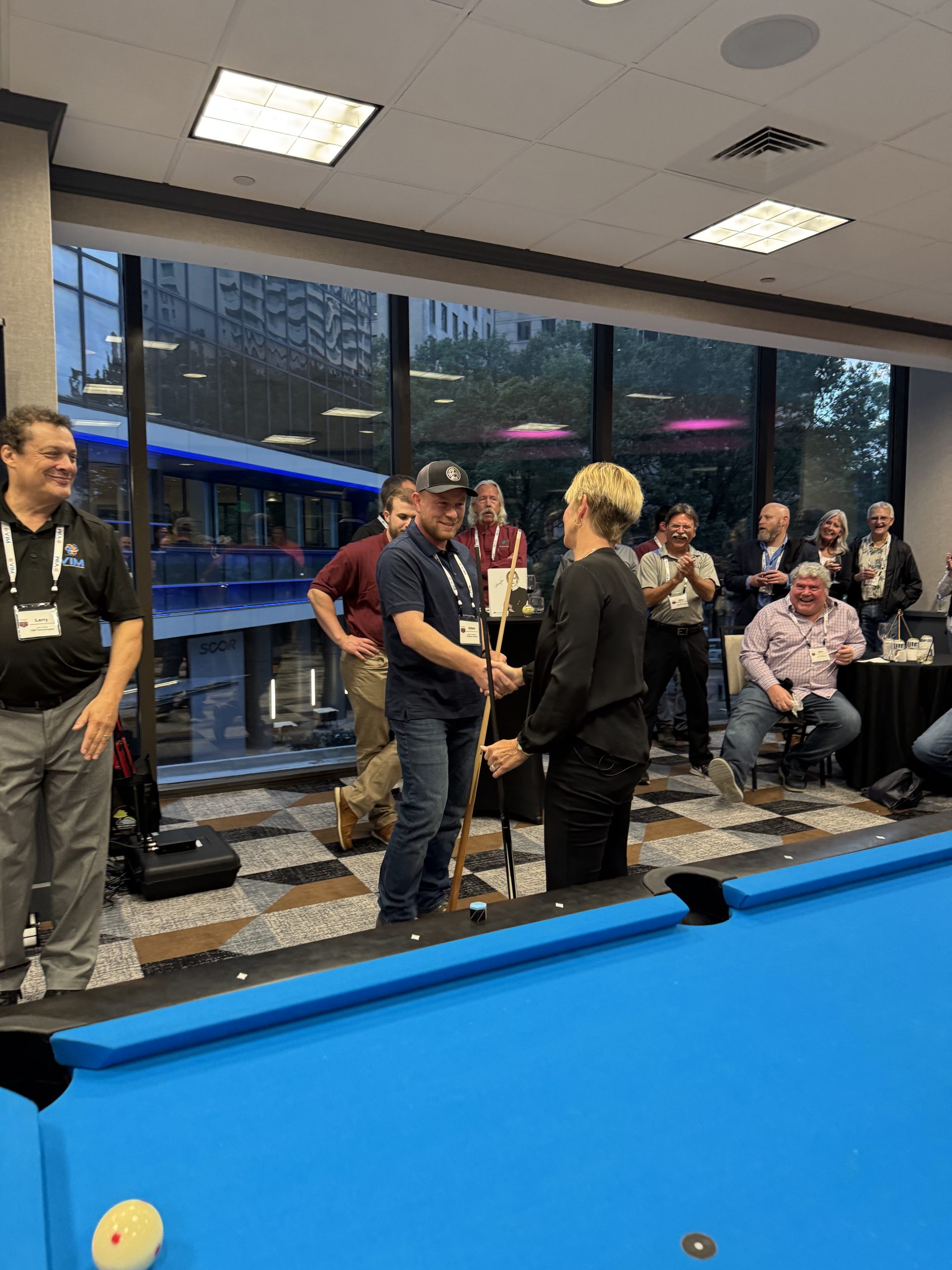
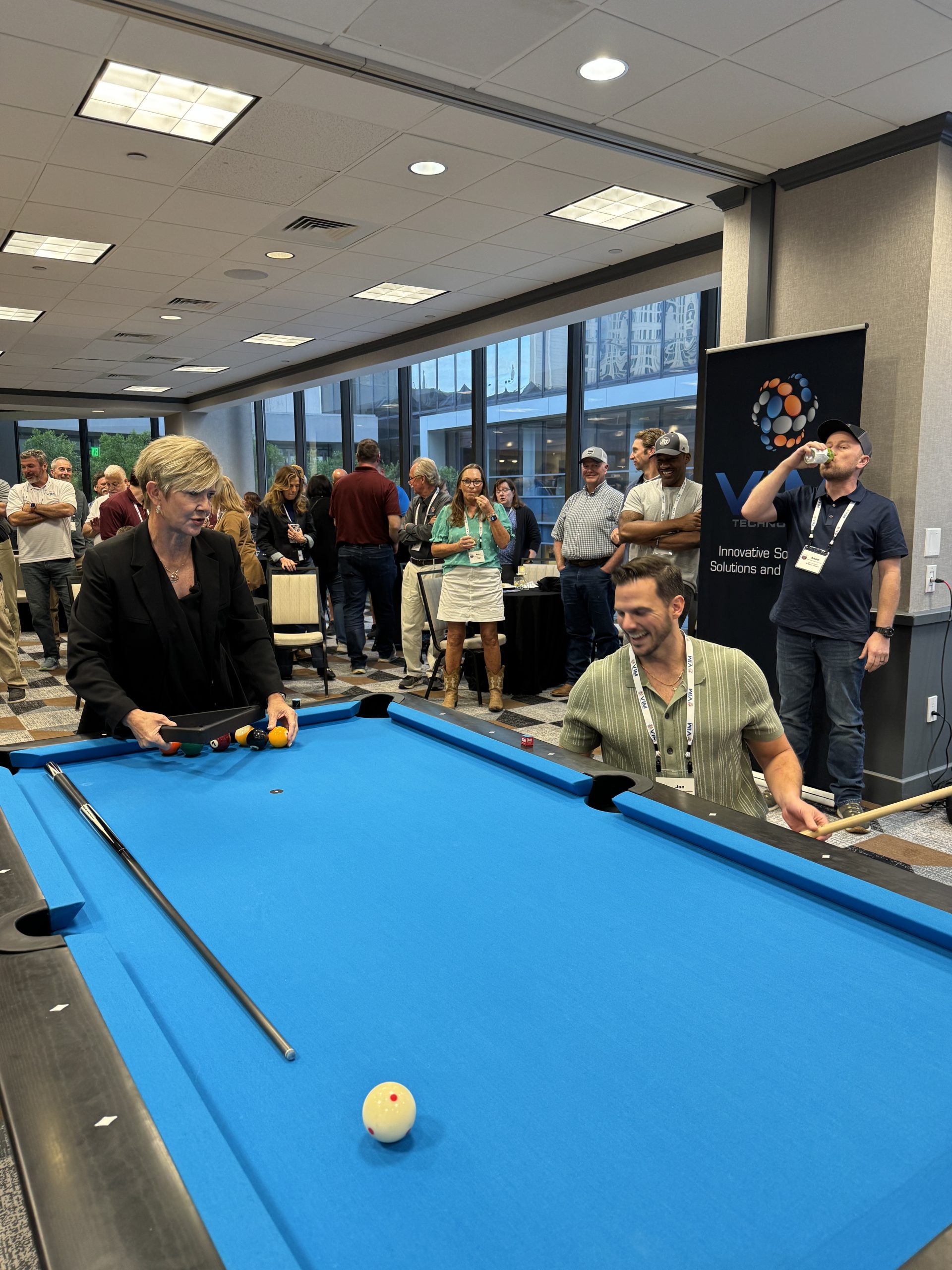
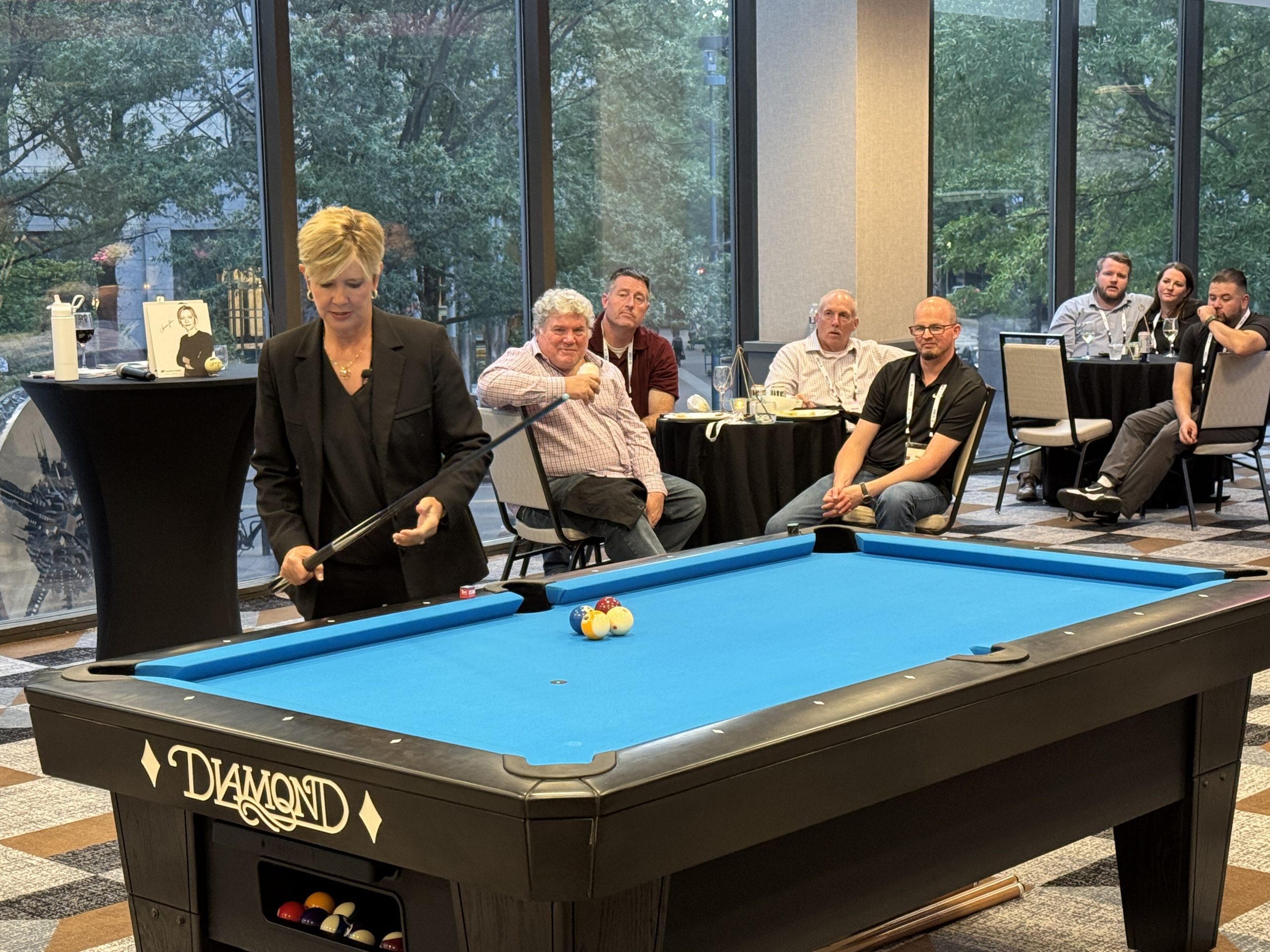
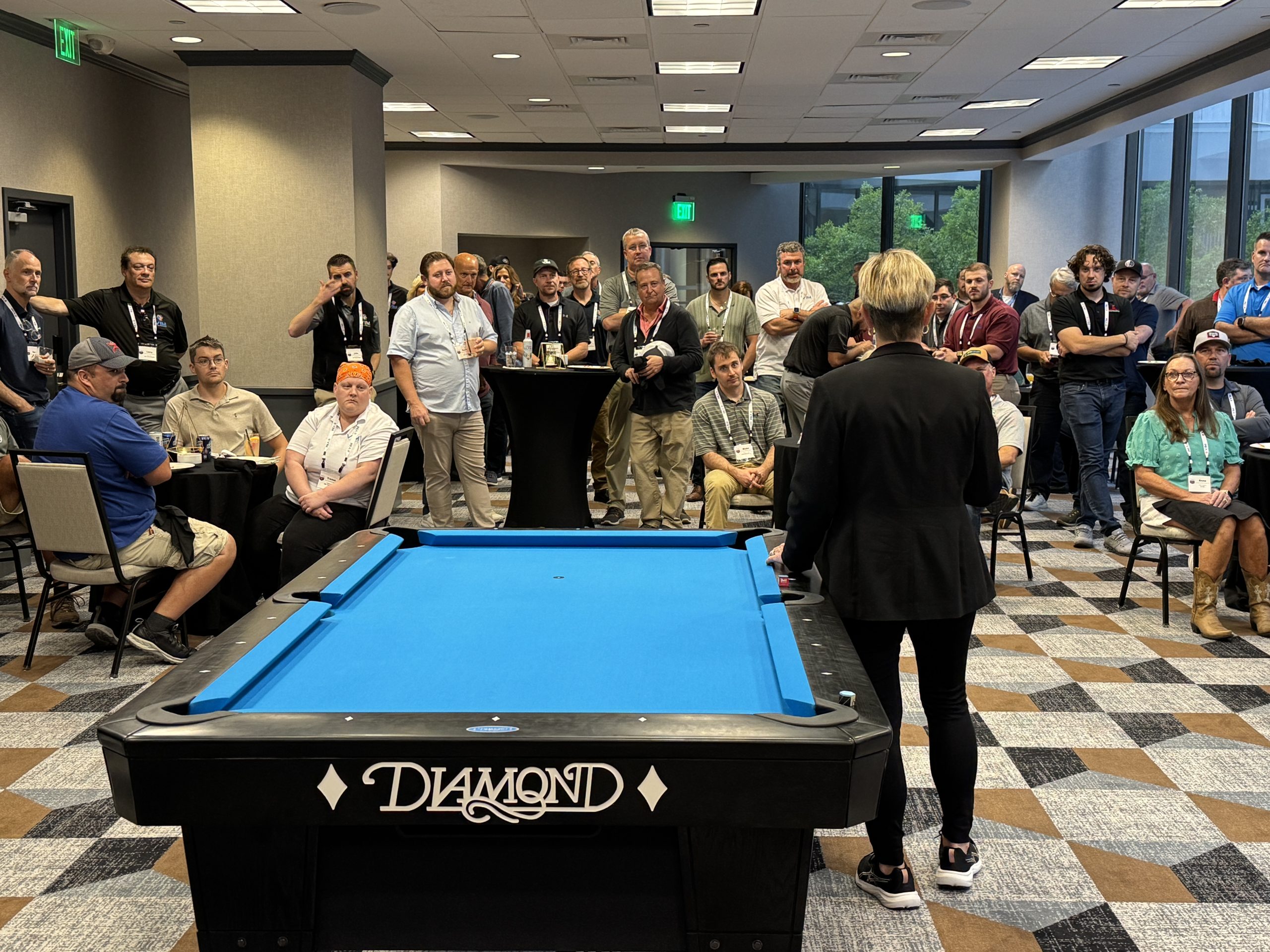
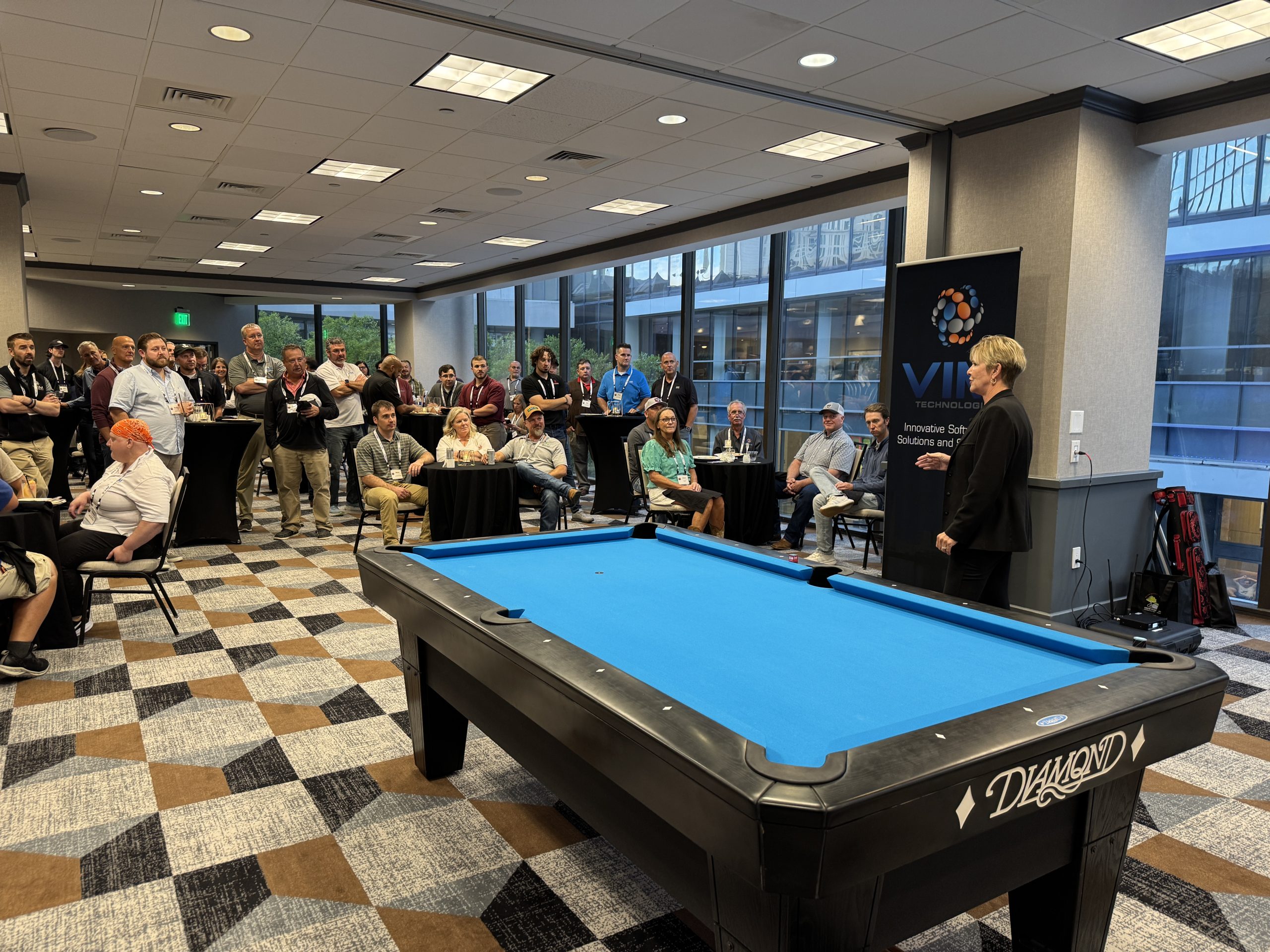
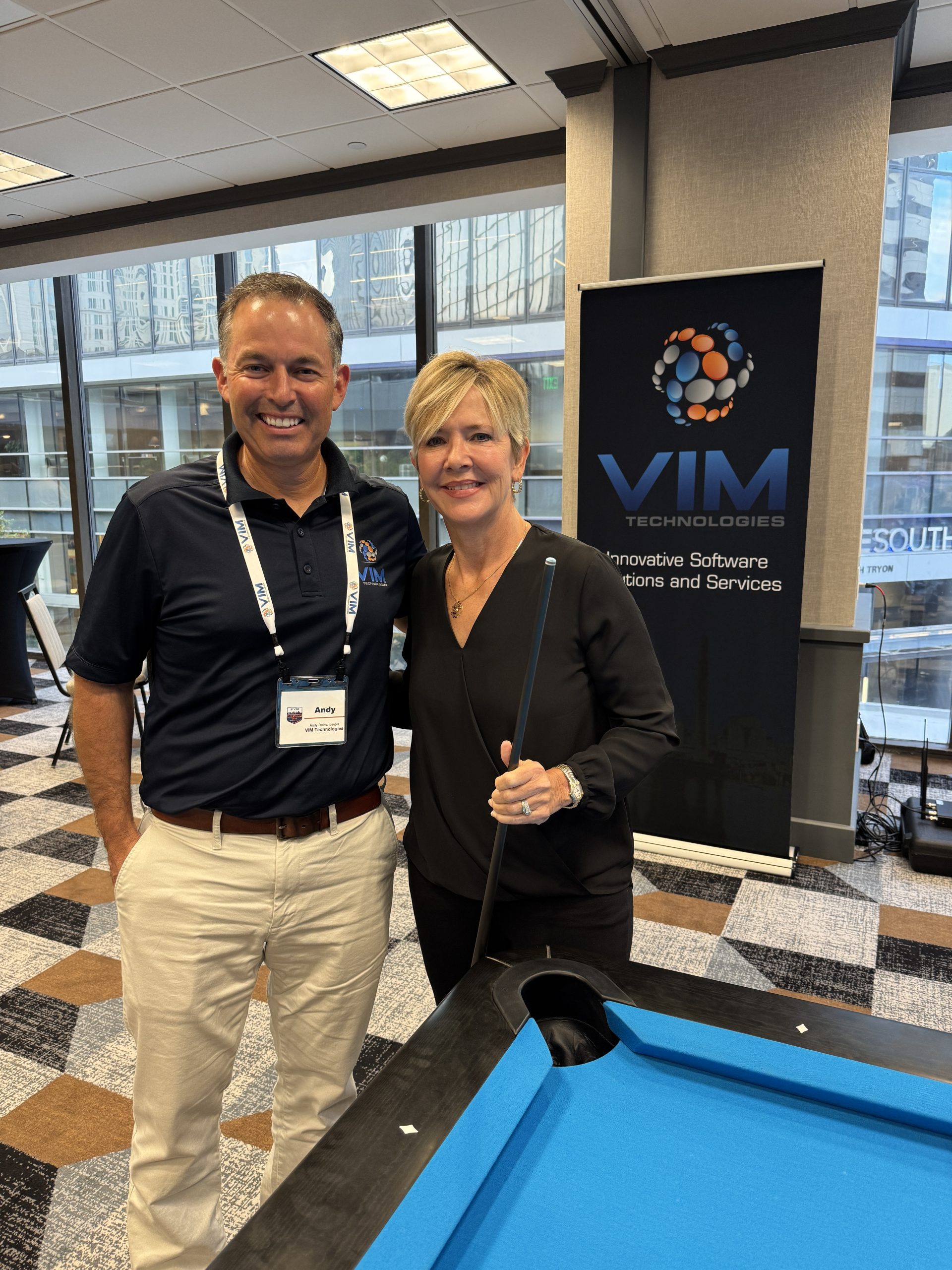
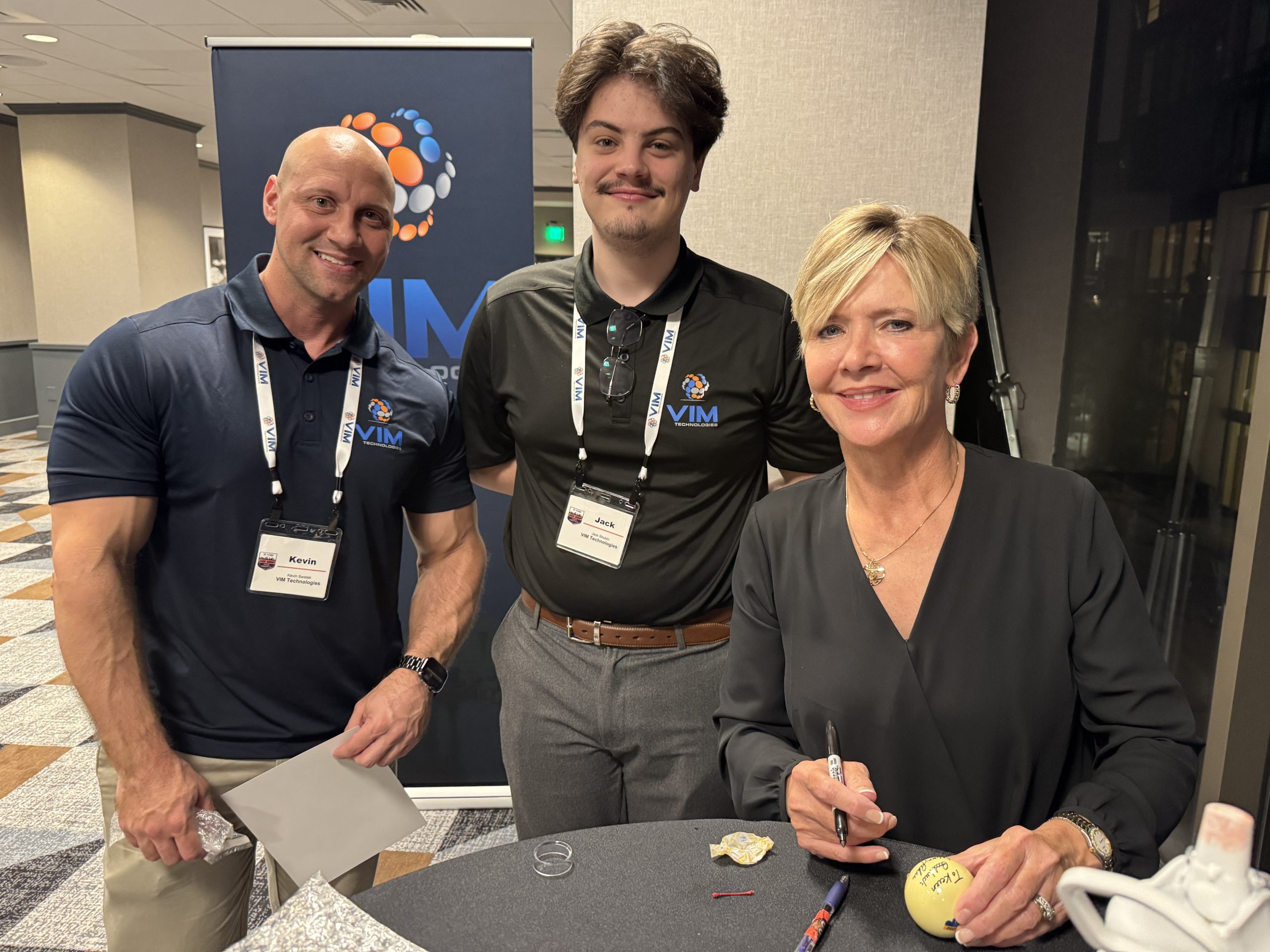
One of the week’s highlights was our Welcome Reception featuring Allison Fisher, the most decorated female pool player in history. Allison captivated the audience with a live exhibition, inspiring stories, and even challenge matches with a few lucky attendees. Her presence added a personal and unforgettable touch to the event.

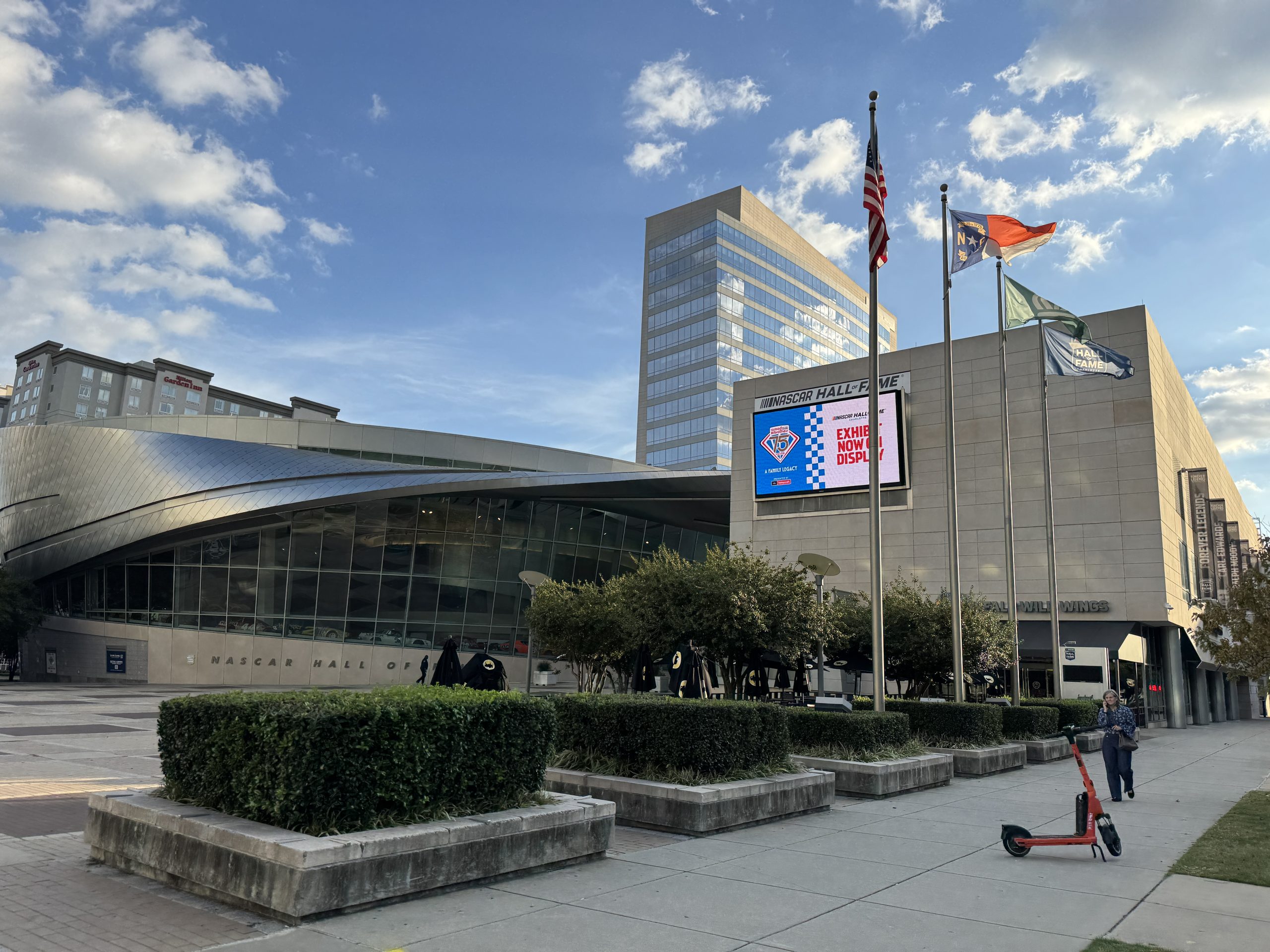
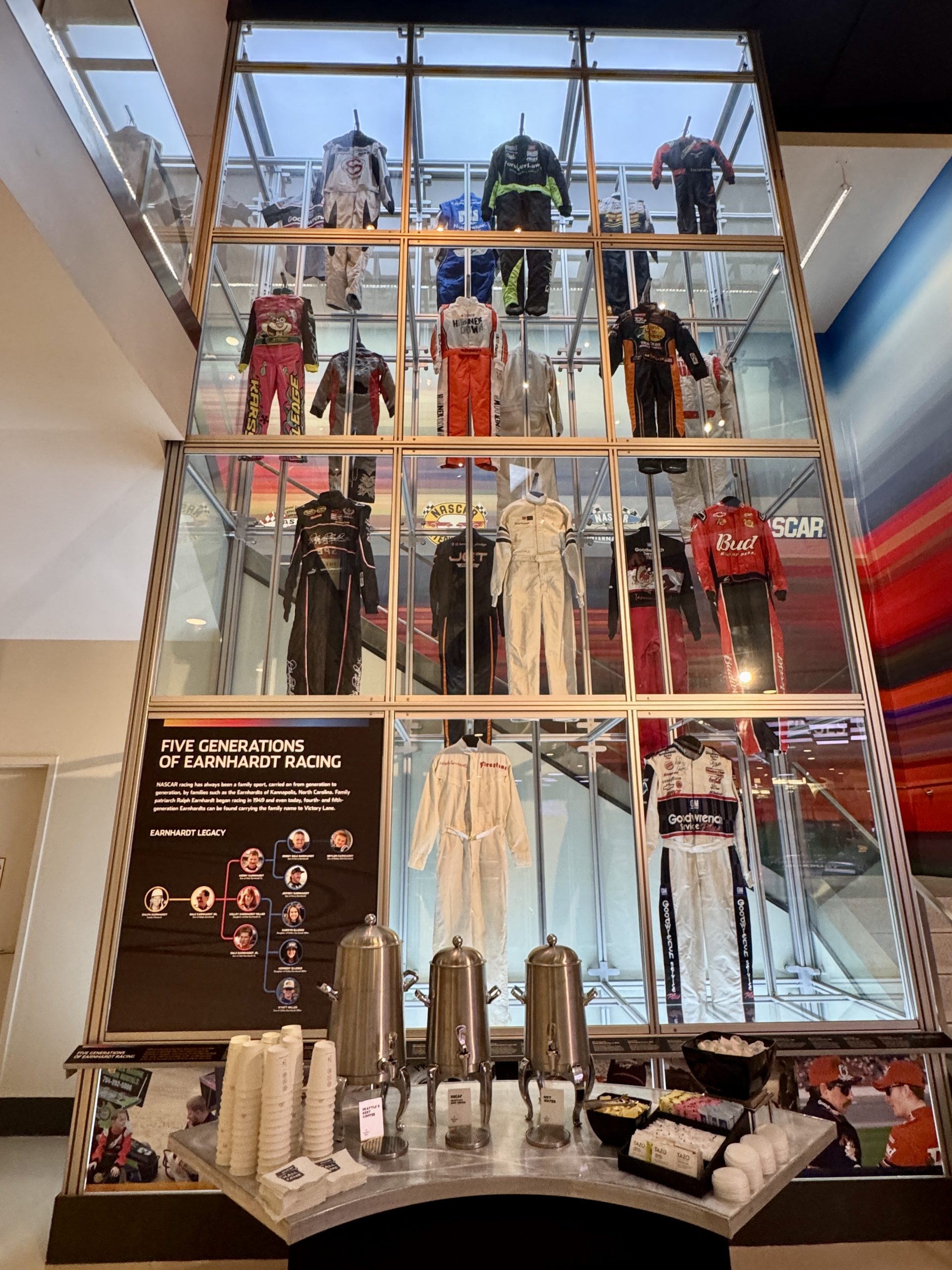
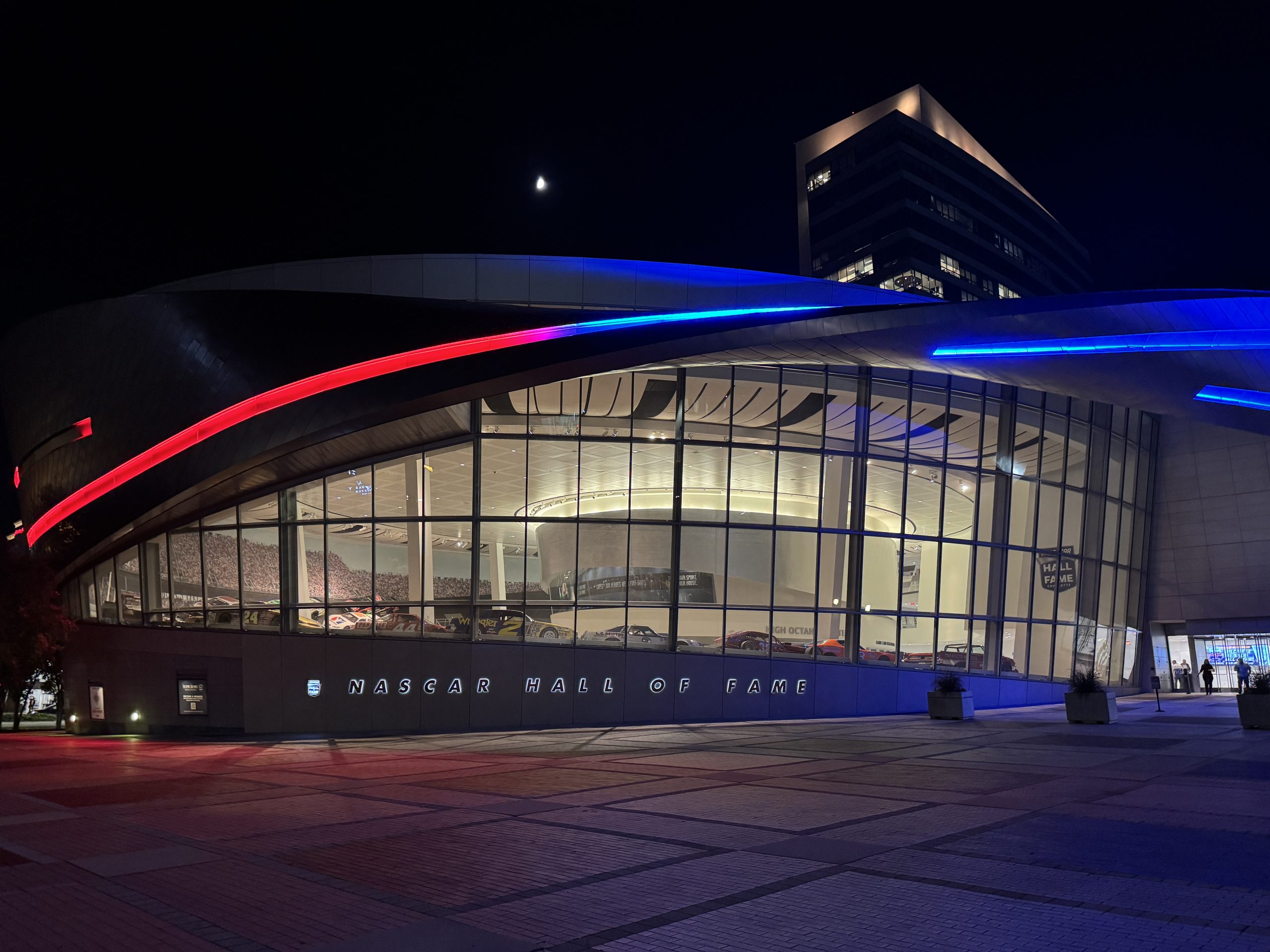
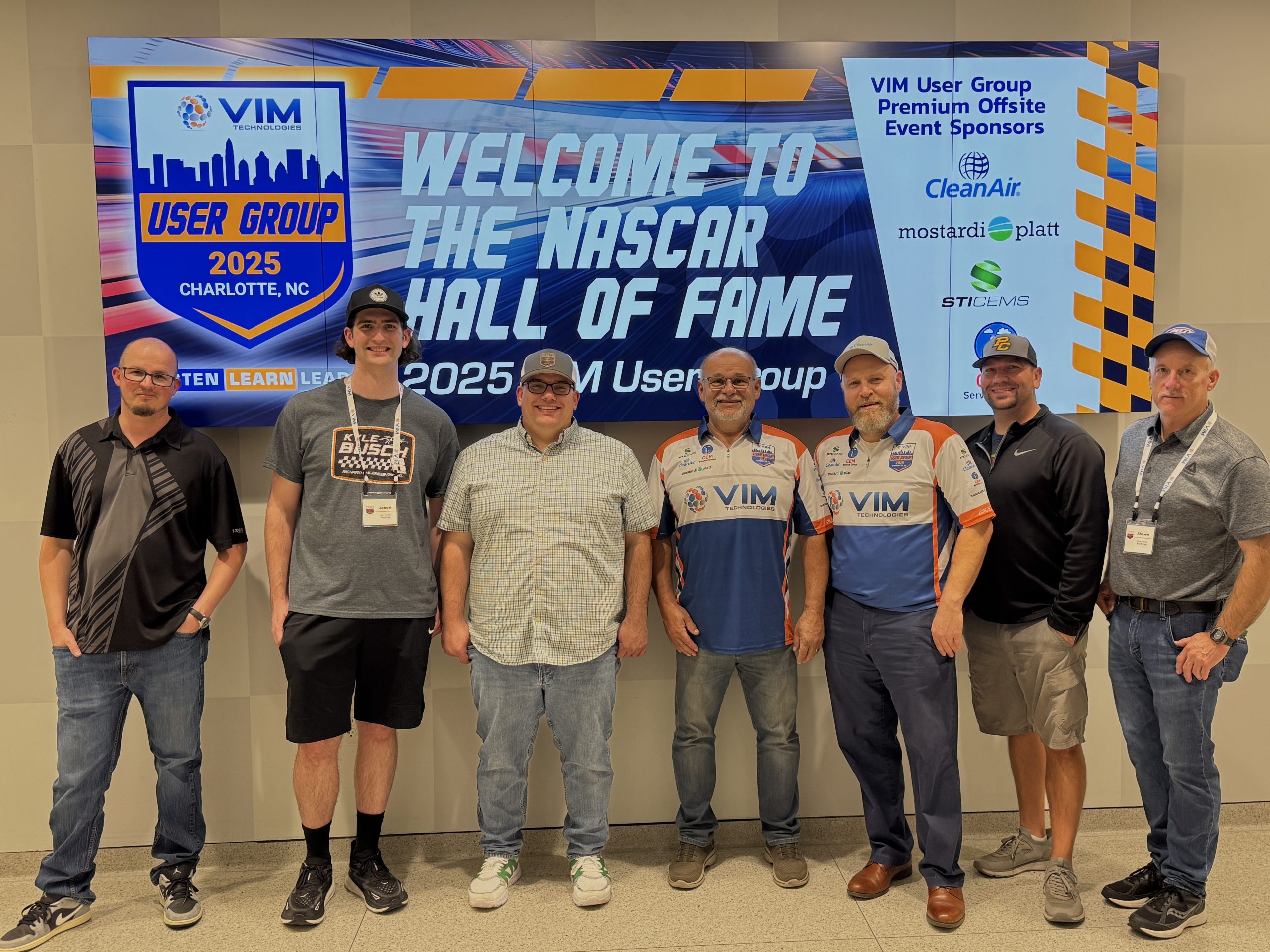
NASCAR Hall of Fame Offsite
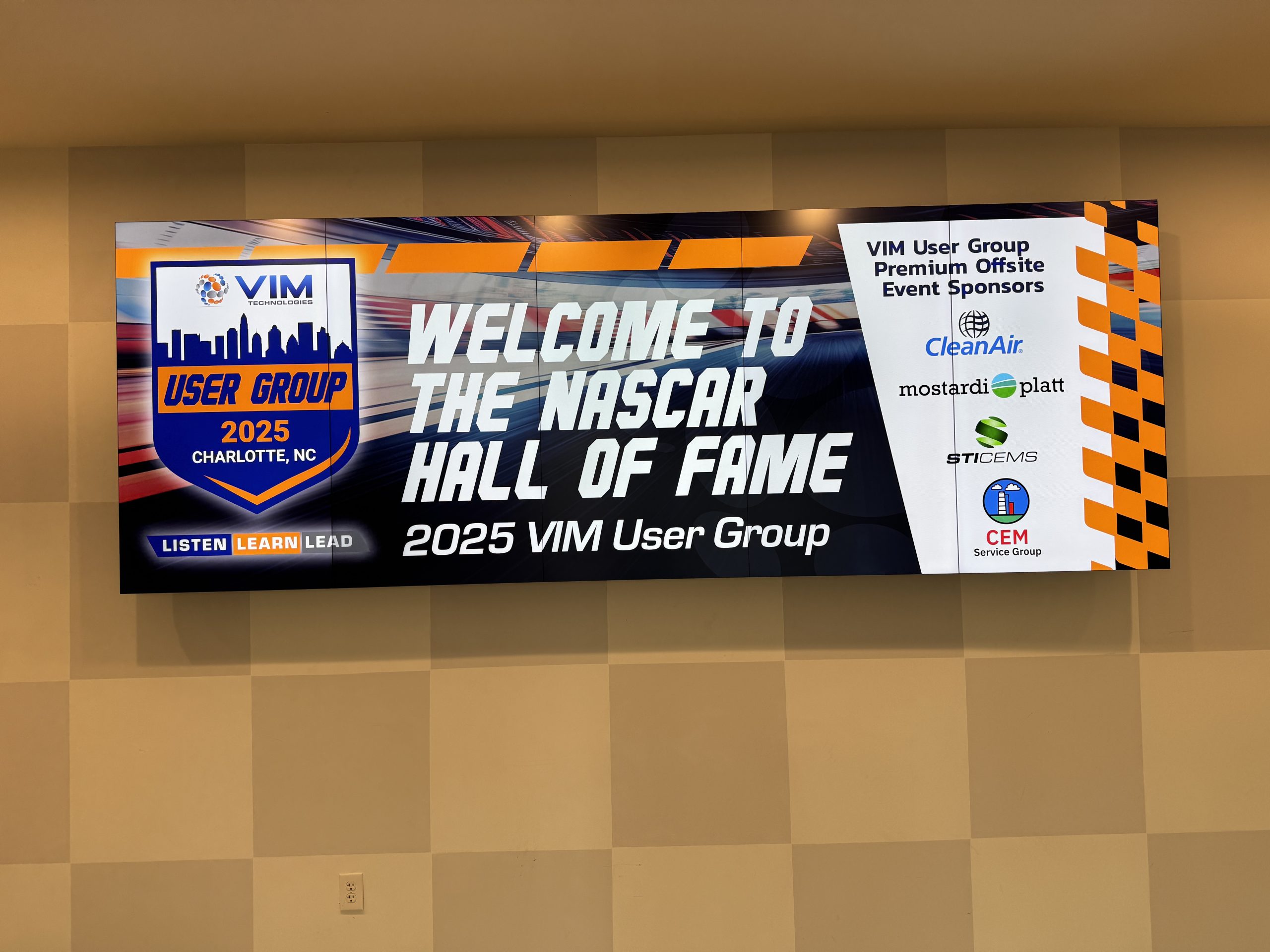
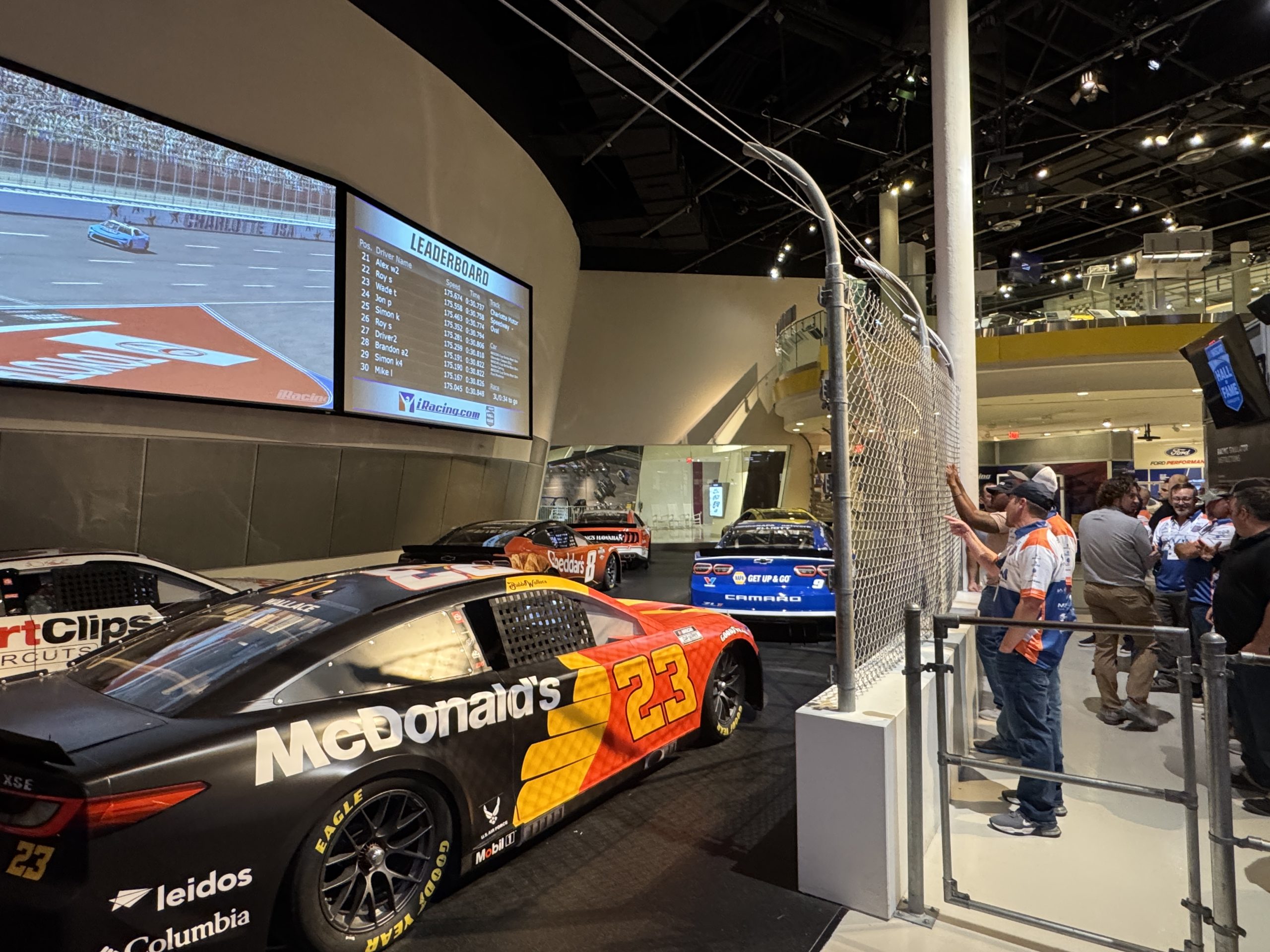
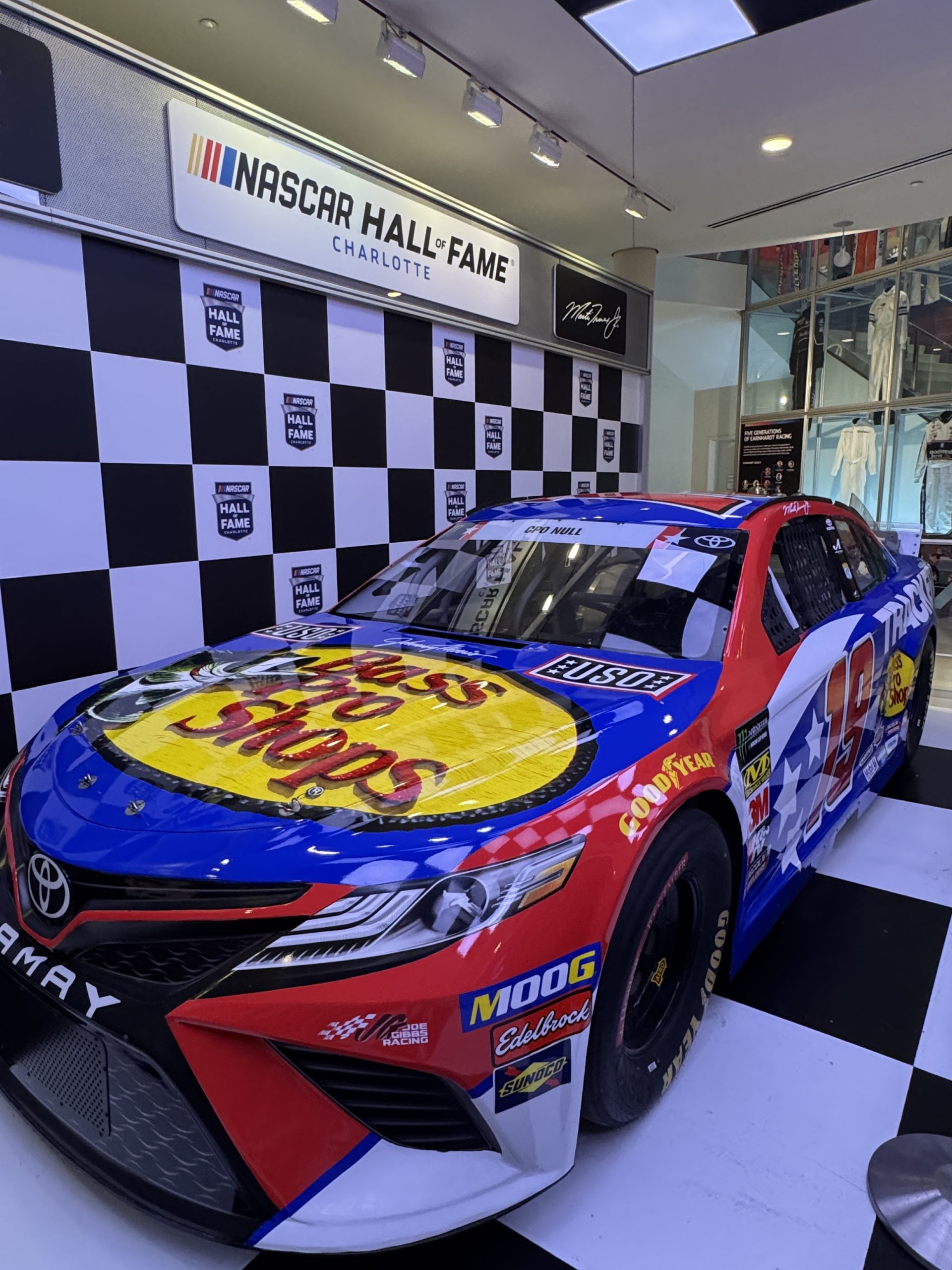
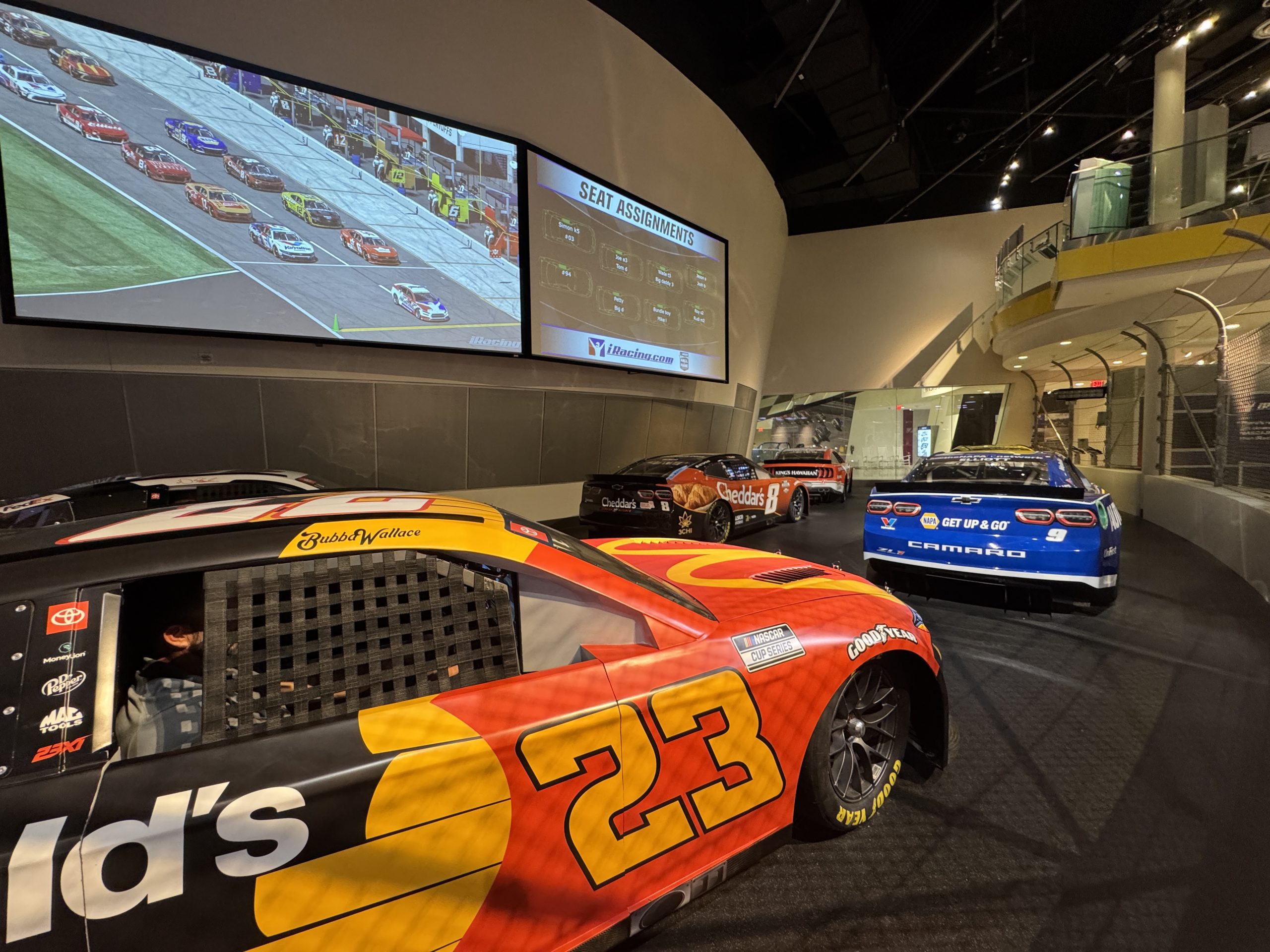
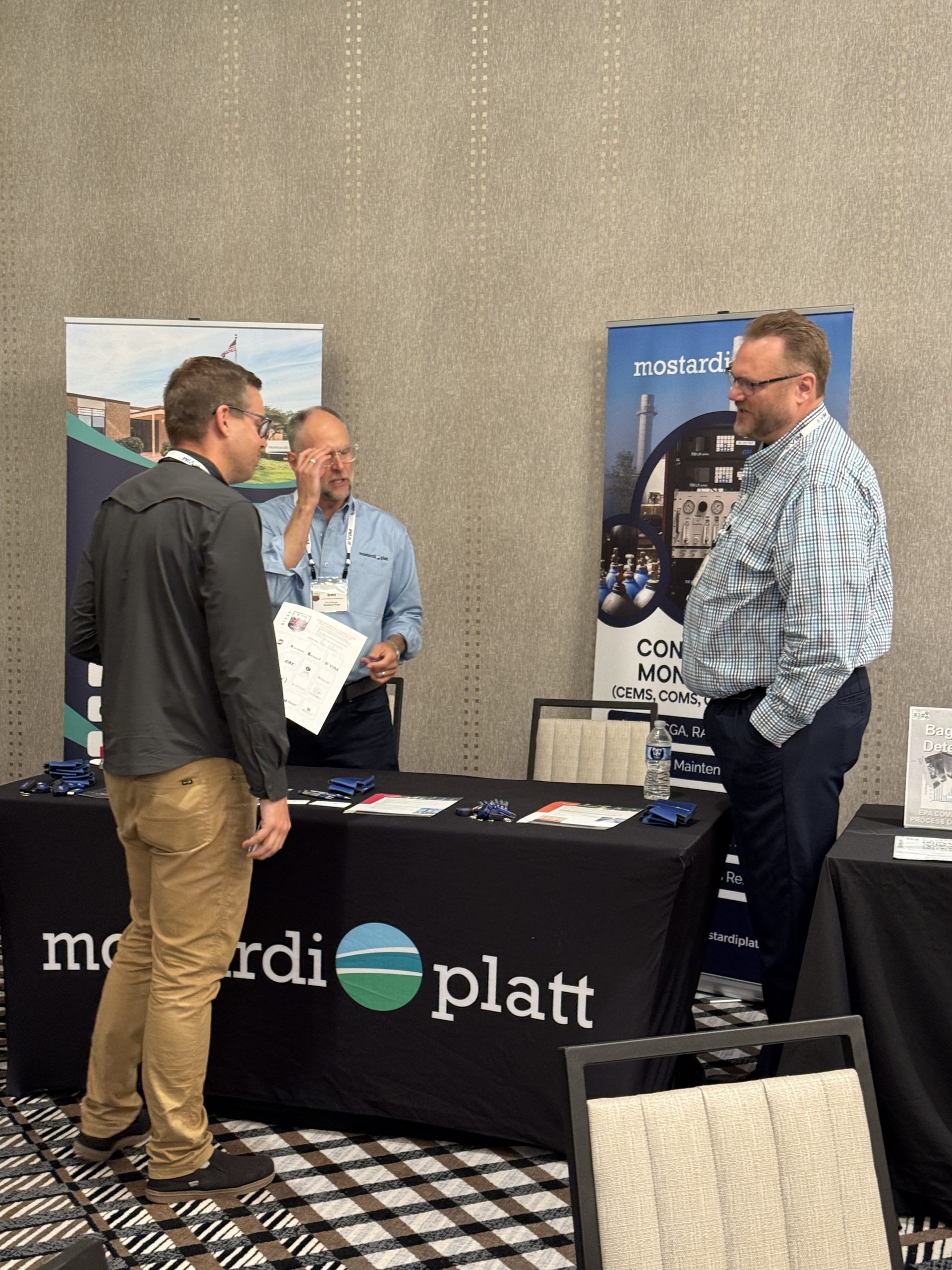
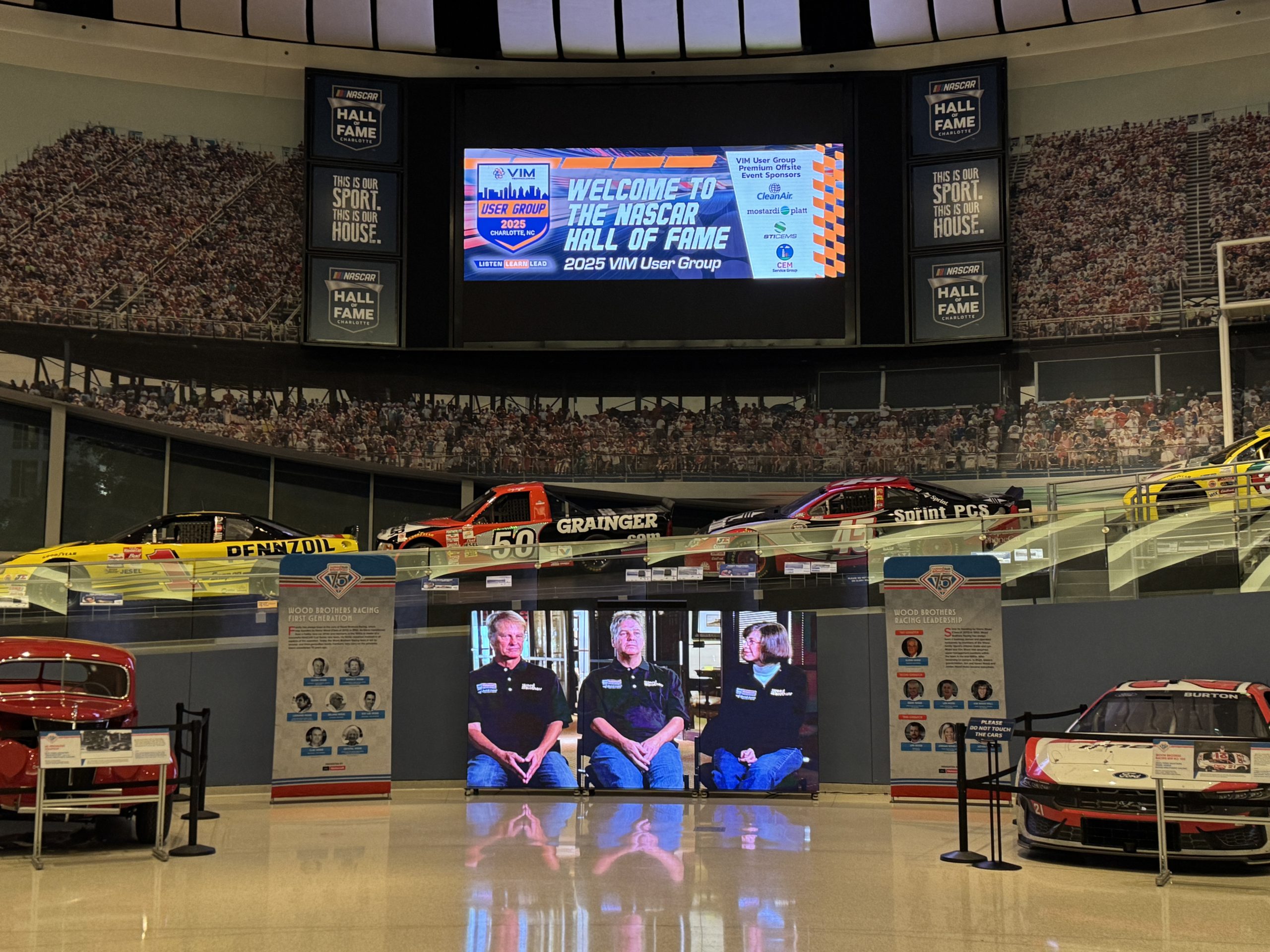
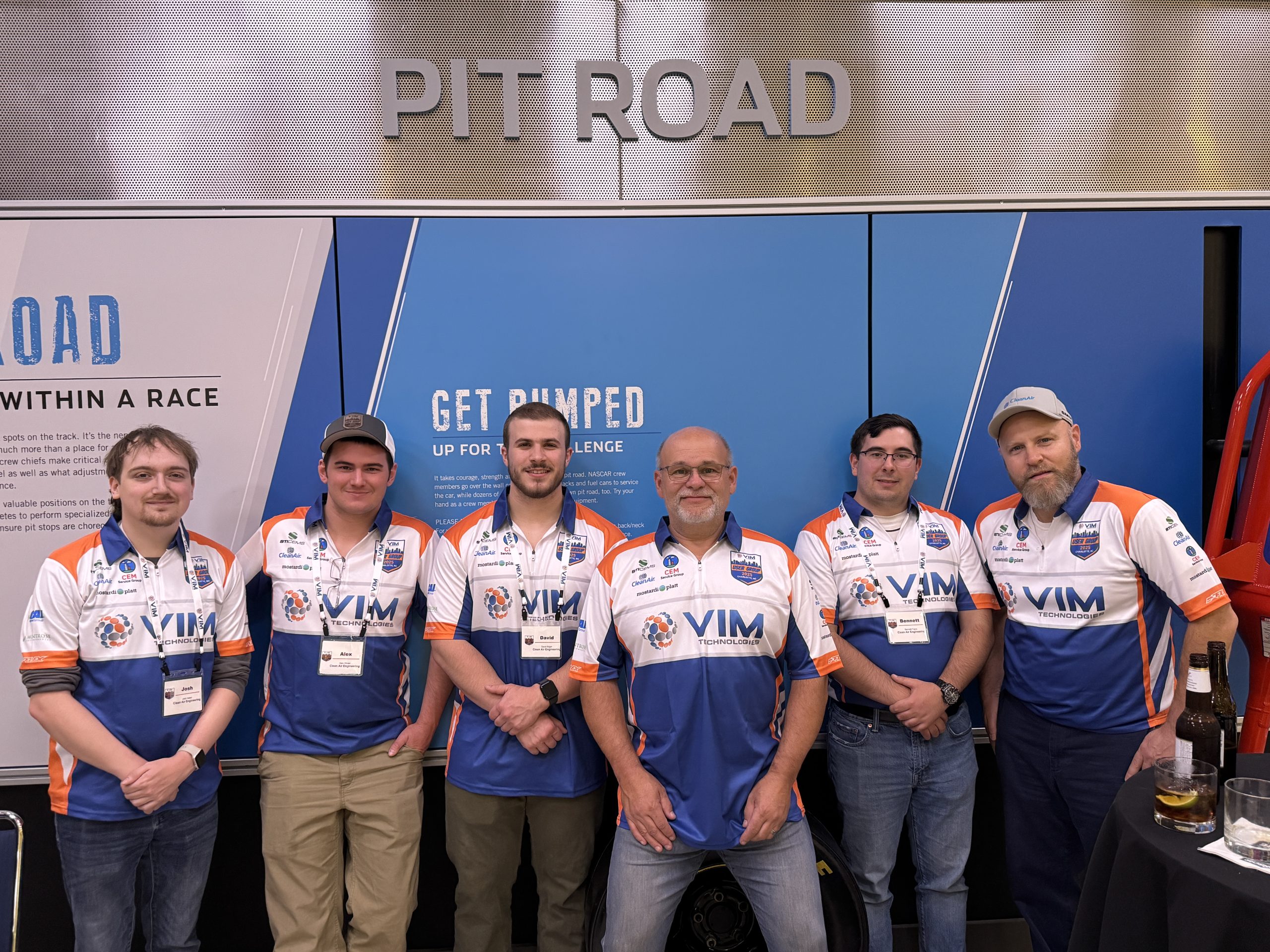
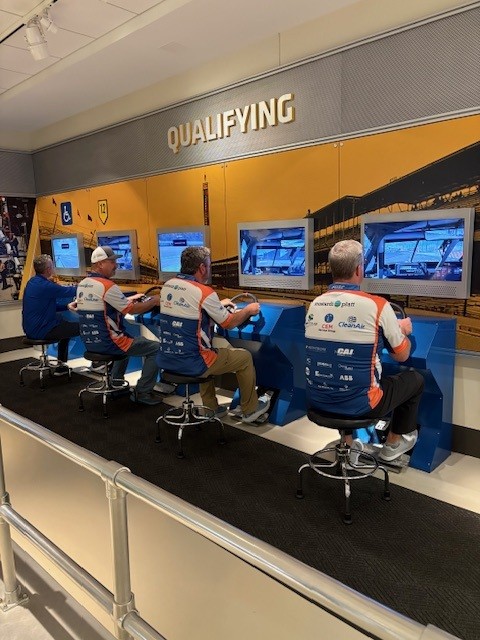
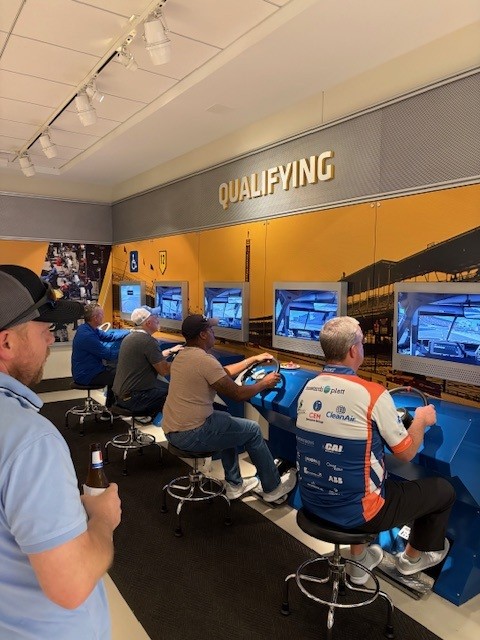
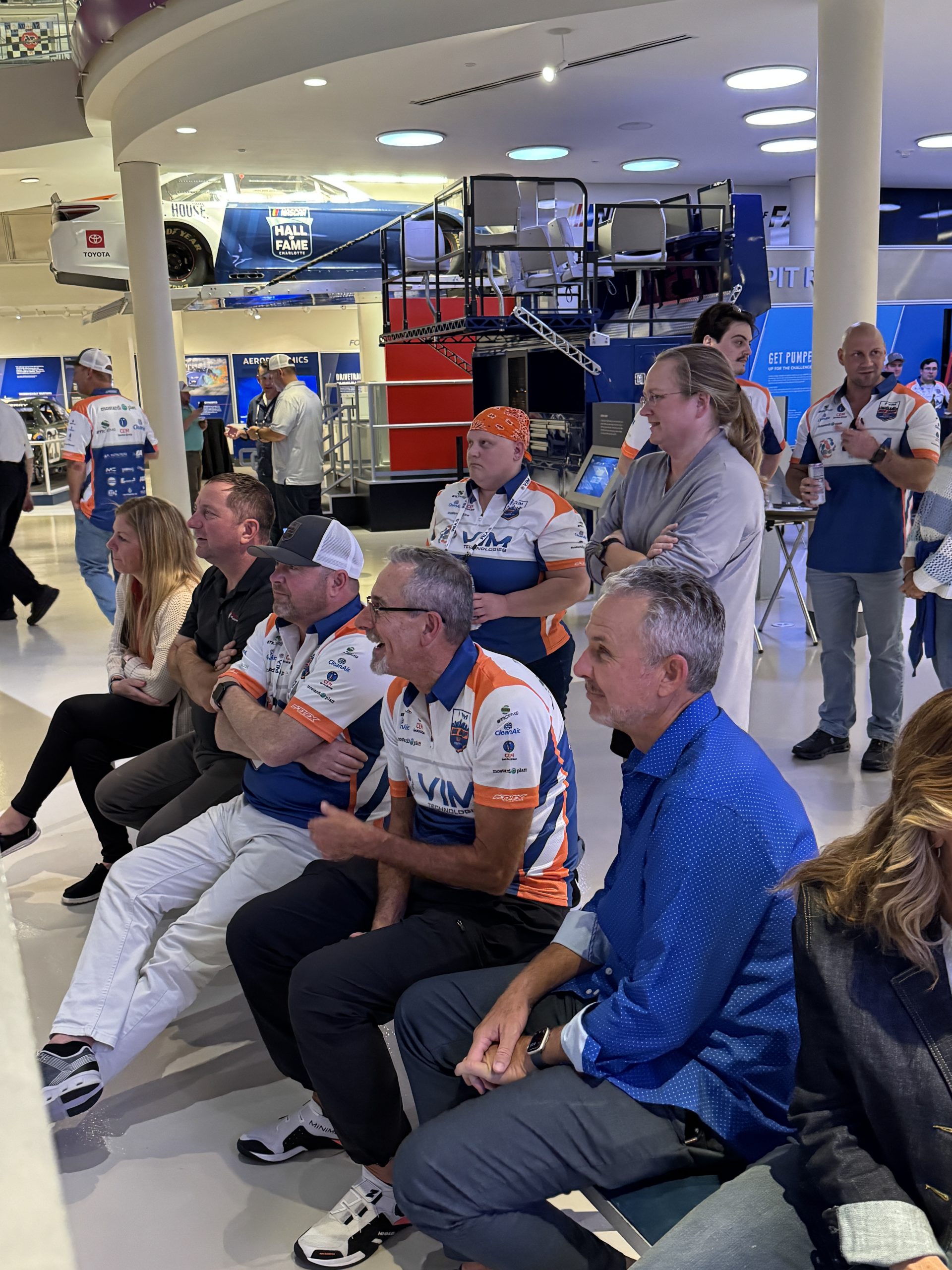
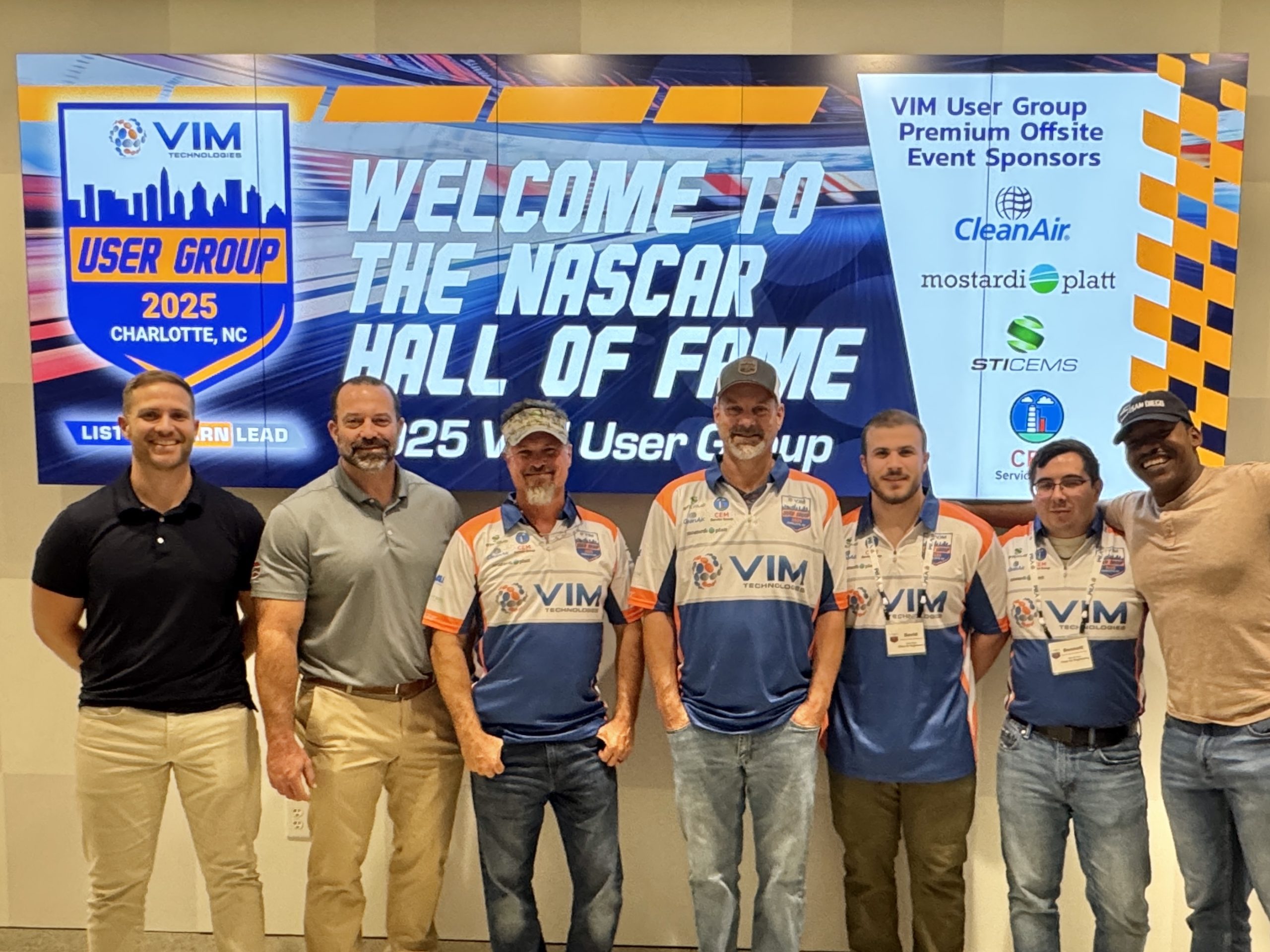
On night two, we shifted gears for a private event at the NASCAR Hall of Fame. Attendees explored racing history, tested their skills in simulators, and teamed up for the Pit Crew Challenge, all while enjoying great food and camaraderie. It was an evening of fun and connection that brought our community even closer together.

A Heartfelt Thank You

This event wouldn’t have been possible without:

  • Our sponsors and exhibitors, whose support helped make the event possible and enjoyable for everyone.
  • Our customers and partners, for your enthusiasm, insights, and trust in VIM.
  • Our VIM team, for your hard work and attention to detail in planning and delivering a successful event.

Thank you to Our Premium Sponsors

The connections made and knowledge shared in Charlotte will stay with us long after the event. We’re grateful to everyone who joined and contributed to making this gathering so meaningful. Thank you for being an important part of the VIM community.

EPA Publishes Proposed Rule to Repeal Certain MATS Amendments

On June 17, 2025, US EPA published a proposed rule entitled, National Emission Standards for Hazardous Air Pollutants: Coal- and Oil-Fired Electric Utility Steam Generating Units, in the Federal Register.  A copy of the proposed rule is available here.

The rule proposes to repeal certain amendments to the Mercury and Air Toxics Standards (MATS) Rule published on May 7, 2024.  More specifically, EPA is proposing to repeal the amendments listed below.

  • The filterable particulate matter (fPM) emission standard for existing coal-fired electric utility steam generating units (EGUs), which the EPA revised from 0.030 pounds per million British thermal units (lb/MMBtu) to 0.010 lb/MMBtu;
  • The compliance demonstration requirement for the fPM emission standard for all coal- and oil-fired EGUs, which the EPA revised from allowing EGU owners and operators to choose between use of quarterly stack testing, use of continuous parametric monitoring systems (CPMS), or use of PM continuous emission monitoring systems (CEMS) to only allowing use of PM CEMS; and
  • The Hg emission standard for existing lignite-fired EGUs, which the EPA revised from 4.0 pounds per trillion British thermal units (lb/TBtu) to 1.2 lb/TBtu.

In Section IV, Request for Comments, EPA is seeking responses to nine (9) questions related to the proposed action.  Comments on this proposed rule must be received on or before August 11, 2025.

VIM Technologies will continue monitoring the progress of this proposed rule and provide updates as new developments occur. We encourage affected facilities, industry professionals, and interested parties to review the proposed changes in detail and submit comments to ensure that their perspectives are represented in the final decision-making process. If you have questions about compliance or how these potential changes may impact your operations, please contact our COMPAS team.

The CEMS Academy Baton Rouge: Practical Training for Environmental Professionals

The CEMS Academy training in Baton Rouge, LA, on June 24-25 was a great success. The event sold out quickly, and attendees were fully engaged throughout the two days. A big thank you to Red Ball Specialty Gases for being such a welcoming host.

The training offered a perfect mix of hands-on learning and expert guidance. Participants rotated through group sessions covering all key aspects of CEMS, including hardware, source testing, data acquisition, and regulatory compliance. One of the highlights was the regulatory summary and data acquisition system training led by Eric Wiley, VIM Technologies’ Senior Air Compliance Specialist. With over 25 years of experience, Eric shared practical insights, common challenges, and real-world solutions that really connected with everyone, whether they were new to CEMS or seasoned professionals.

The combination of knowledgeable trainers, active participants, and a great venue made for lively discussions and valuable problem-solving. Attendees left not only with new skills but also with connections to colleagues they can rely on moving forward.

We’re proud to have been part of this event and look forward to continuing to support the CEMS community with practical, hands-on training opportunities.

VIM Attends EPRI 2025 CEMUG Conference

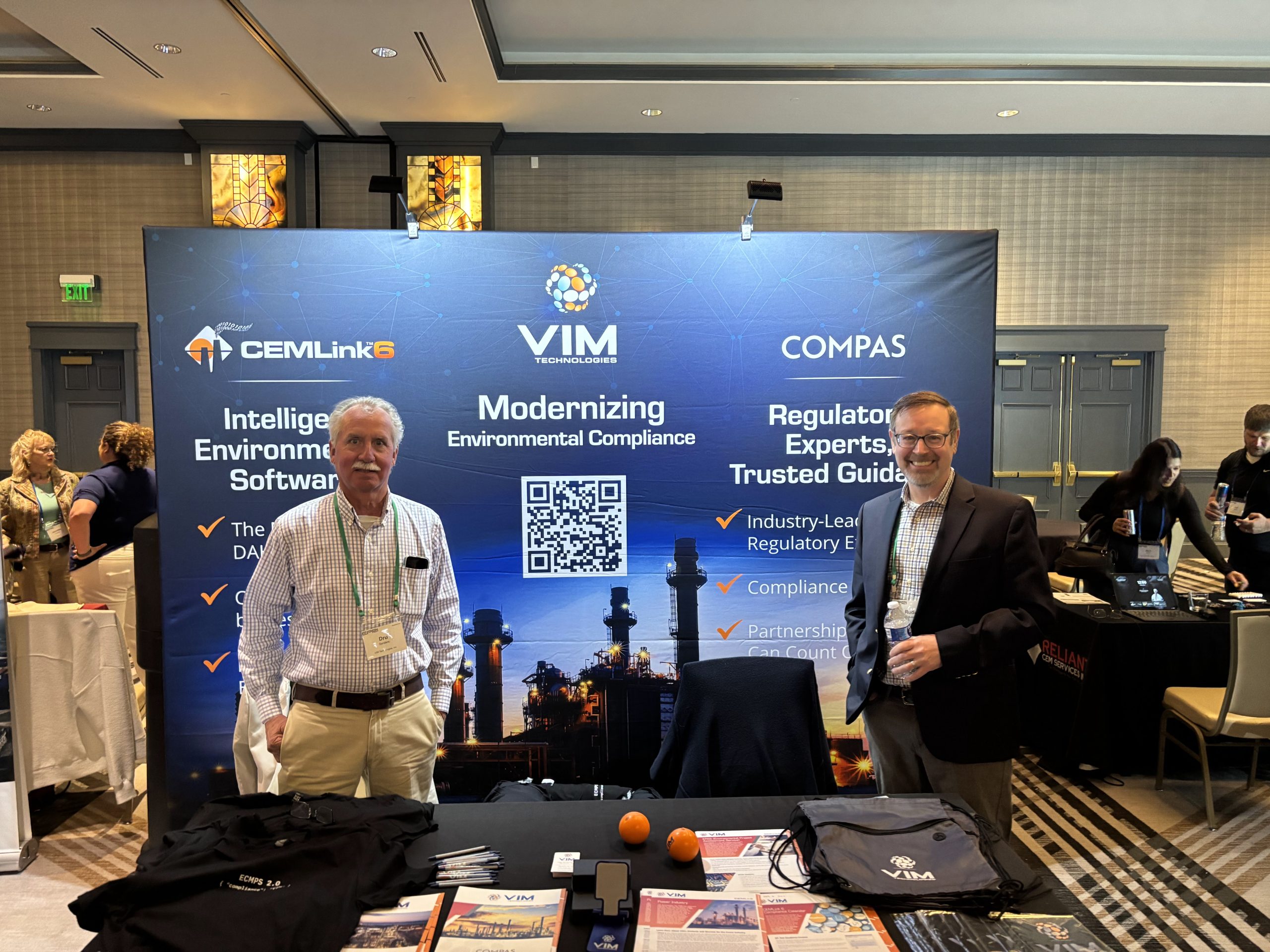
On May 20 – 21, 2025, VIM attended and exhibited at the EPRI CEMUG Conference in Atlanta, Georgia.  Andy Rothenberger, National Sales Manager, and Dru Sanders, Senior Environmental Compliance Specialist, represented VIM at the conference.  EPA’s Clean Air and Power Division (CAPD) kicked off the conference with several virtual presentations.  Later that afternoon,  Dru gave a presentation entitled, MATS Electronic Reporting, A Look Under the WebFIRE Hood.  WebFIRE is EPA’s publicly accessible database that houses the various MATS Rule (40CFR63, Subpart UUUUU, Appendix E) reports submitted via ECMPS as well as reports required by numerous other subparts in Part 63 which are submitted via CEDRI.  The presentation provided:

  • A summary of the current MATS electronic reporting requirements,
  • An overview of how to access and download reports housed in the WebFIRE database, and
  • A review of several MATS reports to illustrate the inconsistencies of both the report content and format.

The presentation concluded by urging EPA to issue definitive interim guidance that quarterly MATS compliance reports should be submitted only in PDF format until ECMPS 2.0 is formally launched with MATS electronic reporting capability.  Additionally, the language in Section 1.0 of Appendix E to the MATS Rule must be revised to accurately reflect the ongoing electronic reporting requirements via ECMPS 2.0.  It should be noted that one of CAPD presentations discussed uploading MATS XML files into the Electronic Reporting Tool (ERT) to begin checking the XML file formats.  Initially, all formatting errors would result in “Informational Errors.”

If you have any questions or would like a copy of the presentation, please contact Dru at dru.sanders@vimtechnologies.com.  Thanks again to EPRI and Oglethorpe Power for hosting an informative and enjoyable conference.

 

VIM’s Exclusive EPAS Service Pays Dividends

VIM’s Exclusive EPAS Service Pays Dividends

VIM’s EPAS Service

Your facility’s environmental compliance program is only as strong as its documentation, procedures, and technical infrastructure. VIM Technologies’ Environmental Project Assessment Service (EPAS) is a turnkey solution to:

  1. Evaluate your current compliance framework
  2. Clarify applicable regulations
  3. Document systems, data flows, data validation, averaging, reporting, and procedures
  4. Recommend tailored improvements

Not sure of existing systems, antiquated and disparate documentation?  Bring it all to 100% with a complete assessment by VIM’s EPAS Service.

1. Deep Dive Compliance Evaluation

  • Regulation Gap Analysis
    We catalog every applicable federal and state regulation—down to emission limits, averaging periods (e.g., 24‑hour rolling vs. block averages), and validity criteria (startup/shutdown exemptions, valid data windows).
  • Process & Data Review
    From process‑signal availability to data‑validation rules, we document each environmental data point, its source, and document how it is currently being generated and reported.

2. Comprehensive Program Documentation

EPAS delivers a complete “snapshot” of your compliance program, including:

  • System Architecture Diagrams
    Network topology, communication protocols, data‐flow schematics, server and workstation placement.
  • Procedure & SOP Library
    Operating procedures, QA/QC plans, site specific monitoring plans, and maintenance checklists.
  • Intellectual‑Property Capture
    Transfer of tribal knowledge from long‑time operators into living, up‑to‑date documentation.

This library becomes your single source of truth—vital when onboarding new staff, working with compliance partners, or embarking on new projects/enhancements.

3. Technical Specifications

In many cases, “knowing what you don’t know” comes to roost early in the process of an environmental project.  Lack of clarity can result in project delays and cost overruns.  EPAS bridges that gap by identifying all existing systems and processes:

  • A fully detailed Technical Requirements Document, covering:
    • Complete up to date I/O documentation
    • Emission limits, averaging, validity rules
    • Regulatory report formats (federal, state, and internal)
    • Hardware footprints, data flow, communication protocols, and infrastructure
    • Software licensing, data‑backup and disaster‑recovery procedures

With these specifications in hand, you can move forward with confidence—knowing that all existing systems are documented with 100% accuracy.

4. Actionable Improvement Roadmap

Based on our findings, you receive a prioritized set of recommendations to:

  • Optimize data‑collection reliability
  • Strengthen QA/QC processes
  • Streamline reporting workflows
  • Reduce manual intervention and error potential
  • Align your compliance program with best‑practice benchmarks

Why EPAS Matters

  • Reduce Risk: Eliminate ambiguities that lead to non‑compliance or enforcement actions.
  • Save Time: Free your staff from reinventing the wheel every time systems and /or resources change.
  • Control Costs: Minimize rework, change orders, and overtime.
  • Future Proof: Build a living compliance framework that scales with new regulations and facility expansions.

Next Steps

  1. Schedule a Scoping Call
    We’ll review your current program and define the EPAS engagement scope.
  2. Engagement Kick‑off
    Onsite or remote workshops to gather data and interview stakeholders.
  3. Delivery & Debrief
    Walkthrough of findings, documentation handoff, and roadmap presentation.

Ready to make your compliance program bulletproof?

Contact VIM Technologies today to learn how EPAS can turn regulatory complexity into competitive advantage.

Reflecting on a Great Week at the IEEE/PCA Cement Conference in Birmingham

Last week, we had the privilege of attending and exhibiting at the IEEE/PCA Cement Conference in Birmingham, Alabama — an event we’re always proud to support. As long-time partners of the cement industry, it was a pleasure to connect once again with so many familiar faces and forge new relationships within this dedicated and innovative community.

This conference continues to be a cornerstone event for us, offering invaluable face-to-face time with customers, industry partners, and peers. These conversations not only strengthen our relationships but also give us deeper insight into the challenges and opportunities that are top of mind for the industry today. From decarbonization strategies to digital transformation, the discussions were rich with purpose and progress.

A notable highlight from this year’s event was the unveiling of the Portland Cement Association’s new identity as the American Cement Association (ACA) — a move that reflects the growing material offering and ambition of the cement industry in the U.S. You can read the full announcement and learn more about this exciting transition on the ACA’s website here.

We’re truly grateful for the continued opportunity to be part of this evolving industry and appreciate everyone who stopped by to connect with our team during the conference. Thank you to the event organizers and all who made the week a success.

We’re already looking forward to reuniting with our cement industry colleagues in Ft. Lauderdale in 2026!


CEMLink6 Email to Text – AT&T Issue

CEMLink6 can send text messages to users using the system’s email capabilities.  Users can receive alarm information and scheduled reports.

Mobile phone providers use email to text functionality to allow customers to receive a text message from an email through their email-to-text service.  CEMLink6 will send an email to a provider’s email address with the customer’s mobile phone number (i.e. number@mms.att.net).  The mobile phone provider will forward this onto the customer’s mobile phone as a text message.

AT&T has recently announced they will be removing this functionality.  There has been no indication of other carriers following suit to this point.

Say Goodbye to Email-to-Text and Text-to-Email – AT&T Wireless Customer Support

CEMLink6 users who are AT&T mobile phone users and rely on these text messages for notifications will need to make plans for receiving notifications from CEMLink6 in a different manner.

A couple of options…

  1. Switch all notifications over to email.

    CEMLink6 can also send email notifications for alarms and scheduled reports.
    Switching from email to text notifications requires reconfiguring the “Alarm Email/Text Configuration” to use email instead of text, if applicable.
    Scheduled reports would also need to be reconfigured to use email instead of text, if applicable.

  2. Use a third party to route your emails to text.

    We have investigated some third-party options that will forward emails to text. One such offering is TXTImpact from Wire2Air.
    SMS marketing services & Business texting platform | TXTImpact
    This service will accept an email from CEMLink6 and forward the message to your mobile phone via text messaging.
    There are monthly costs involved with this type of service as well as some potential registrations for a 10DLC number may be necessary. There are other third party options available.  One thing to note in researching these options is to ensure the service will send email via MMS messages.  This is required for attaching scheduled reports to text messages.  MMS is not required for only receiving notifications of alarms via text messaging.

While AT&T will discontinue this offering on June 17, 2025, we wanted to make you are of some alternatives.  If this affects you, please prepare alternative notifications.